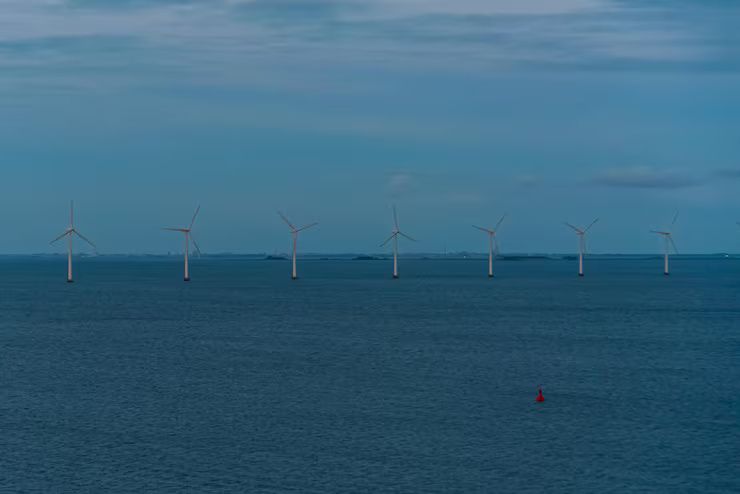
Tidal energy is one of the most reliable and predictable forms of renewable energy available today. Unlike solar or wind energy, which depend on weather conditions, tides follow natural cycles influenced by the moon and gravity. This makes tidal energy technology a promising solution for long-term, sustainable power generation.
Water moves when the tide shifts, pushing back and forth across coastlines. That motion drives machines placed underwater. Instead of burning fuel, these devices rely on natural flow patterns. Electricity comes from spinning turbines caught in tidal streams. Power builds steadily as waves roll through narrow channels. Energy gets sent out once it is ready for use.
Water in motion turns turbines. These spinning machines produce electric power. Like windmills harnessing breeze, tidal setups capture flow - but liquid packs a heavier punch than air. Density gives seawater an edge when pushing blades.
How Tidal Energy Works
Tidal energy becomes clear once you walk through each part. Water moves because of the moon's pull, that drives turbines. As tides rise, they fill a basin behind a dam. When water flows back out, it spins machines inside. Those spinning parts create electricity. The cycle repeats every day with ocean rhythms.
High up in the sky, the moon's tug shapes how seawater moves. Down below, sunlight joins that push now and then. Together, these pulls shift the edges of oceans slowly each day.
When water moves up or down, it often pulls hard in one direction. Streams gain speed because of shifting depths. The push inside rivers changes when levels shift suddenly. Heavy flow begins once the surface starts rising or dropping. Movement grows intense as the height of the water alters.
- Underwater turbines spin when these flows push against them.
- Spinning blades turn machines which create power.
- From there, power flows into the network. That energy moves along toward where it will be used.
Tidal movements follow a steady rhythm, so output levels show up clearly ahead of time - this sets it apart from many green alternatives.
Types of Tidal Power Generation Systems
1. Tidal Stream Systems
Beneath the waves, spinning machines sit where ocean flows rush strongest. Their blades turn as water races by each day.
- Work like underwater wind turbines
- Built to handle tight waterways, also works well near shorelines
- Minimal visual impact since they are submerged
2. Tidal Barrages
A wall meant to block seawater often stretches from one cliff to another at the mouth of a river. Water rushes through gates when the sea rises, then gets trapped behind concrete as levels drop outside.
- Floods fill it when the sea rises
- Releases water through turbines during low tide
- Can generate large amounts of electricity
3. Tidal Lagoons
Water fills tidal lagoons behind manmade barriers. These spaces trap seawater during high tides. Walls hold the liquid in place until release. The contained area shifts with ocean rhythms. Energy can come from water moving through gates. Movement happens when levels change inside. Structures shape how waves enter these zones. Design affects flow patterns across openings.
- Working alone, away from coastal inlets
- Offer more flexibility in design
- Fueled by flow as waters rise, energy comes too when they fall
4. Dynamic Tidal Power
A fresh idea floats up - long barriers stretch out across ocean waters. These structures reach far from land, built to reshape how water moves through coastal zones.
- Water flows where the height shifts across the barrier
- Even now, it remains a work in progress
- Powers vast amounts of demand when scaled up. Energy output grows where systems spread wide. Big setups make big outputs possible across regions
Parts of Tidal Energy Systems
Water movement drives the process, tidal turbines capture that motion. Underwater generators turn it into electricity. Power cables carry the output to land. Control units manage timing based on tide cycles. Support structures hold everything in place against strong currents.
- Spinning blades catch river flow, turning motion into power. Water pushes, gears turn. Motion becomes usable force through careful design. Flow drives rotation inside these machines
- Generators: Turn mechanical energy into electricity
- Support structures: Hold turbines in place underwater
- Electricity travels through cables, reaching land. Wires bring power from water to coast. Power moves along lines, ending on solid ground. These links deliver energy straight inland
- Control systems: Monitor and manage performance
From gears to wires, every piece helps keep things running without hiccups. One wrong move and the whole setup could stumble. Smooth operation depends on how well each element pulls its weight. When one fails, others feel the strain. Safety rides on small details most overlook. Even tiny parts carry heavy loads behind the scenes.
Tidal Energy Benefits
There are many advantages of tidal energy that make it attractive for sustainable power generation.
Reliable and Predictable
Tide movements stick to a rhythm, so predicting power generation becomes straightforward. Though shifts are gradual, they carry strong reliability. Because timing repeats, estimates stay close to actual output. Even when weather changes, the flow stays on schedule. Not sudden jumps, just steady pulses shaping supply forecasts.
Renewable and Clean
Sunlight powers it without releasing fumes. Operation leaves the air untouched. Nothing pollutes while it runs. During use, the sky stays clear. No smoke escapes into the atmosphere when active.
- Reduces reliance on fossil fuels
- Helps lower environmental impact
High Energy Density
Tidal setups pack a stronger punch than wind ones when sized alike, simply because water weighs way more than air.
Long Lifespan
Most tidal power setups last a long time, especially when looked after well. Built tough, they keep working decade after decade if checked regularly. Their strength comes from steady care rather than constant upgrades. With routine attention, these systems hold up through harsh conditions year after year.
Minimal Land Use
Underwater spots host most tidal setups, saving space on shore. While hidden below waves, they leave room above ground untouched.
Problems With Tidal Energy Tech
Tidal power brings advantages, yet hurdles remain. Still, progress stumbles on practical limits. Even so, potential doesn’t erase obstacles. On the flip side, rewards come with complications. Despite promise, real-world issues linger.
Complex Setup at First
Floating beneath the surface, construction demands precision far beyond ordinary projects. Success comes through detailed preparation mixed with clever design choices.
Environmental Considerations
- Potential impact on marine ecosystems
- Changes in water flow patterns
- Need for responsible site selection
Limited Suitable Locations
Some shorelines just won’t work for capturing power from tides. Locations must have powerful water movement during tide shifts along with unique land shapes nearby.
Maintenance Difficulty
Floating beneath the surface adds layers of difficulty when checking or fixing things, unlike jobs done on solid ground.
Tidal Energy Compared to Other Renewables
Tidal power feels different - its rhythm steady beside sun and wind. Not racing ahead, just holding its own with slow pulses through coastal waters. While solar waits on daylight, tides move without asking. No gusts needed, only gravity pulling water like clockwork. It doesn’t shout about potential; it simply flows where others stall.
Next to Solar Power
- Sunlight fuels solar power, yet clouds slow it down. When skies clear, energy flows fast instead. Rainy days limit output - brightness matters most. Night brings a full stop until morning returns
- Tidal energy is predictable and continuous
Wind Energy Compared
- Wind can be inconsistent
- Water flow from tides holds steady better than most
Compared to Hydropower
- Hydropower uses river flow
- Tidal energy uses ocean movement
Water powers them both, yet tidal setups answer to the ocean's rhythm.
Fuel choices differ in what they bring, yet tidal power stands out by being both steady and kind to nature.
Places Using Tidal Energy
Fresh efforts to harness tidal power now unfold across different corners of the planet, each site quietly pushing forward through trial and close study.
Common locations include:
- Coastal regions with strong tides
- Narrow straits and channels
- Areas with significant tidal range
Tidal power draws interest from nations shaping future energy plans. Some see it fitting into broader clean-energy efforts over time.
Future of Tidal Energy Technology
Beyond today’s labs, new ideas keep shaping how we might harness ocean tides. Progress creeps forward, step by uneven step, through quiet experiments.
Advancements in Technology
- Improved turbine efficiency
- Better materials for durability
- Smarter monitoring systems
Increased Global Interest
Tidal power catches interest across nations chasing greener grids. Some governments see ocean rhythms as steady allies in cutting emissions.
Connecting With Power Networks
Tidal energy might slot in beside solar, working with it in quiet ways. Wind power finds a partner too, not through force but fit. Together, they balance - each filling gaps the others leave open.
Focus on Sustainability
One step ahead, efforts will trim down harm to nature even as power production climbs. Still, progress leans on smarter methods that lift results without weighing on ecosystems.
Understanding Tidal Energy Through a Simple Example
Water rises and falls without fail, day after day. That steady rhythm powers machines placed right where currents shift. A kind of clockwork lives in the sea, predictable as sunrise. Each surge turns blades built to catch it. Movement becomes electricity when tides push through them.
What sets tidal power apart from most renewables is this steady pattern it follows.
Why Tidal Energy Matters Now
Besides cutting pollution, tidal power runs nonstop. Though costly at first, it keeps working without fuel. When storms hit, unlike wind turbines, these systems hold up well. Because tides follow natural cycles, output stays predictable. Even if rare, some marine life adjusts slowly. Where coastlines funnel water, performance climbs sharply. While invisible underwater, installations avoid cluttering views. Since technology improves steadily, future versions work better. Not every region can use strong currents. Still, where geography helps, results stand out clearly.
- Supports long-term sustainability
- Reduces dependence on non-renewable resources
- Provides stable energy output
- Encourages innovation in renewable technology
Tidal power keeps growing, yet its footprint could one day shape how nations fuel homes. Though new, it might quietly help balance worldwide electricity needs.
Conclusion
Ocean tides move back and forth every day, predictable like clockwork. Because of this rhythm, engineers build machines that capture motion when water flows in and out. Some setups use underwater turbines, others rely on dams or channels to control flow. Each method turns movement into electric current through spinning parts. Power comes steadily, unlike sun or wind which fade unexpectedly. Since coastlines often host large populations, placing plants nearby cuts transmission loss. Maintenance happens less often because saltwater environments demand tough materials. Though building them costs more at first, they last decades with little upkeep. Nations with strong coastal currents now test full-scale versions. Places like Scotland and South Korea already feed tidal power into their grids. As climate concerns grow, such systems offer one piece of the puzzle.