Electric vehicles (EVs) are changing how people travel. They reduce pollution, lower fuel dependence, and support a cleaner environment. But there’s an important question many people ask: Where does the electricity come from?
Sunlight keeps giving without disappearing. Wind blows again and again, never used up. Water flows downstream every single day. Plants grow back after harvest, ready once more. Heat beneath the earth stays warm for ages. Air moves even when we do not notice. Rain falls whether we need it or not. Rivers turn turbines while rolling forward. Tides push in regardless of demand. Energy made this way does not fade away.
- Solar energy (sunlight)
- Wind energy
- Hydropower (water)
- Biomass
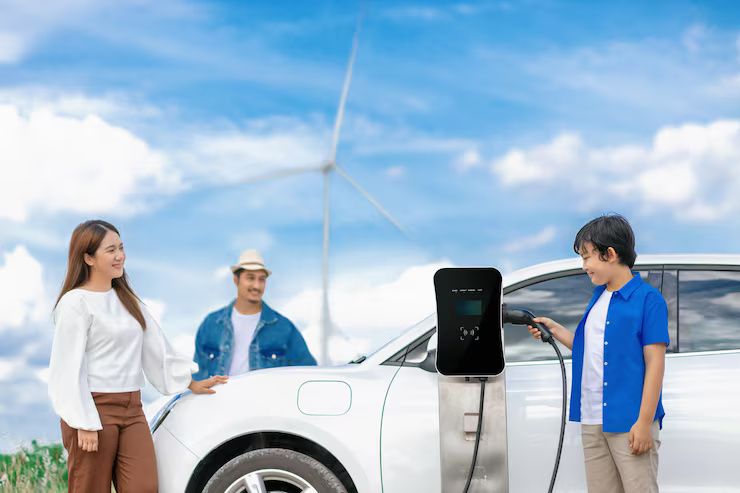
Electricity from clean sources powers electric cars, replacing old fossil fuel methods. What comes out of wind turbines or solar panels goes into vehicle batteries. Instead of gas stations, drivers plug in where sun and wind make power. This shift cuts down on pollution that engines once created. Clean energy means fewer emissions while driving. Power plants burning coal step aside when sunshine charges a car. Renewables offer a different path for transportation needs.
Take charging an electric vehicle with power from rooftop sun catchers - suddenly, every mile rolls out with less weight on the planet. The journey shifts, quietly, when light replaces smoke as the fuel behind motion.
Renewable Energy Powers Electric Vehicles
Most of the time, electric cars don’t release fumes when driving. Still, their real impact comes down to where the power they use actually comes from.
Why This Is Important
- Fewer fumes fill the air when power comes from clean sources instead of fossil fuels. Emissions drop because sunlight and wind leave almost nothing behind after they’re used
- Renewable energy keeps going without running down what Earth gives us
- Breathing gets easier when power comes from wind instead of smokestacks. Fewer trucks hauling fuel means fewer fumes hanging over towns. Sunlight catches on solar panels while soot stays buried underground. Skies clear up once engines stop guzzling thick crude. Clean energy hums quietly where belching plants used to roar
- Generating power nearby means less need to bring in fuel from abroad. This shifts control closer to home, where communities manage their own supply. Relying on local sources cuts ties to distant markets. Fuel comes from within instead of overseas shipments. Independence grows when energy starts locally. Fewer imports support a more self-reliant system
Put another way, pairing electric vehicles with clean power builds an entire eco-friendly travel setup.
EV Charging Using Renewable Energy Explained
Most people find powering an electric car with clean energy easier than expected. Here’s how it usually goes - start by linking your home system to a green power source, then connect the vehicle overnight. A smart charger helps manage timing using sunlight stored earlier. Some drivers rely on public stations fed by wind or solar inputs. Others adjust habits slightly, plugging in after work without extra effort. Energy flows quietly while owners sleep. Setup differs per household yet fits daily routines well.
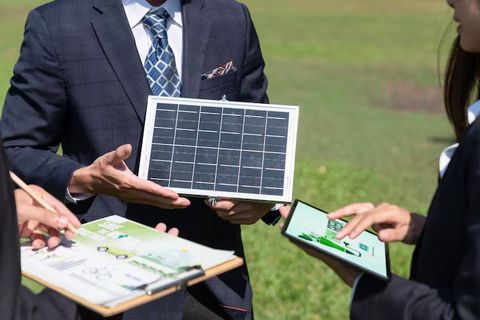
- Sunlight gets turned into power using rooftop glass squares. These shiny surfaces catch daylight. They make electricity without burning anything. Machines on homes grab sunshine to work. Light becomes useful energy that way
- Electricity comes when energy changes form
- Right away, power gets put to work. Otherwise, it slips into batteries for later
- The EV is charged using this clean power
At home, people might plug in here just as easily as they do on the job. Wherever folks gather - offices, apartments, transit spots - the system fits right in. Charging happens quietly whether someone stops by after work or during lunch downtown.
Solar Powered Electric Vehicles Becoming More Common
Sunlight turning into fuel for cars feels like a quiet revolution spreading fast. Across continents, drivers watch rooftops hum with panels feeding their vehicles charge.
How Solar Energy Powers Electric Vehicles
- Solar panels capture sunlight and convert it into electricity
- Power from this source runs your electric vehicle straight away or gets saved first for later use
- Energy collected earlier powers charging when sunlight fades. Daylight hours offer another option for topping up. Stored power waits until it is needed. Charging picks its moment, either now or later
Imagine cars that soak up sunlight right through their roofs. Still a work in progress, yet proof of how fast things are moving forward.
How Home Solar Powers Electric Vehicle Charging
Most days, sunshine powers the car right from the driveway. A setup like this ties clean energy to regular commutes without extra steps. Morning light becomes afternoon miles through panels on the roof. This way runs quietly behind routine trips. Energy made at home charges the vehicle while cutting outside needs.
Main Components
- Solar panels: Capture sunlight
- Inverter: Converts solar energy into usable electricity
- Battery storage (optional): Stores excess energy
- EV charger: Transfers electricity to your vehicle
How It Works At Home
When sunlight hits them, solar panels produce power. That electricity might:
- Power your home appliances
- Plug in your electric vehicle right at the source
- Be stored for later use
Sunlight hits the panels above, powering movement below through wires that carry what was caught during daylight hours. Power made on high flows into motion down low when conditions align just right.
Better Air Cleaner Power For Electric Car Fueling
Switching to renewable energy for EV charging comes with several advantages.
Environmental Benefits
- Lower greenhouse gas emissions
- Reduced air pollution
- Cleaner energy lifecycle
Practical Benefits
- Greater control over energy usage
- Reduced dependence on grid electricity
- Long-term sustainability
Lifestyle Benefits
- Encourages eco-friendly habits
- Supports green living goals
- Aligns with future energy trends
Challenges to Consider
Though gains stand out, hurdles still pop up now and then.
Common Challenges
- Sunshine or breezy days decide how well solar panels and turbines perform
- Besides solar panels, storing power often means using batteries. When sunlight fades, a steady flow still matters. So backup systems kick in to keep things running smoothly. Without them, gaps appear right when you need electricity most
- Out here, solar panels demand a fair bit of room to set up properly
- Getting started takes time. A solid plan shapes how things go next. Without clear steps early on, confusion follows. Setting it up right means thinking ahead. Mistakes at first cause problems later. Proper arrangement matters most in the beginning
Solving these issues takes time, yet better tech keeps making progress. Smarter grids help too, shaping how power works behind the scenes.
Renewable Energy Sources Powering Electric Vehicle Chargers
Even if sunlight runs most chargers, wind or water energy sometimes pitch in too.
1. Solar Energy
- Most accessible for homeowners
- Easy to integrate with residential systems
2. Wind Energy
- Fitting well into big setups, these find their place where space allows
- Supports grid-based EV charging
3. Hydropower
- Stable and consistent energy source
- Power grids across areas rely on it frequently
4. Biomass Energy
- Converts organic waste into electricity
- Though rare, it holds its worth
Fuel sources add their part to a greener charge setup.
Smart Charging and Energy Management
Energy use gets tweaked by today's electric vehicle tech. Smarter timing shows up in how power flows.
Smart Charging Features
- Charging during peak solar generation
- Using stored energy at night
- Monitoring energy usage through apps
By using renewables more fully, systems run smoother. Efficiency climbs when clean power takes center stage.
Renewable Energy and Electric Vehicles Moving Forward
Battery-powered cars plus green power might just go hand in hand sooner than expected. Fast progress in tech helps them work together smoother every year.
Trends to Watch
- Improved solar panel efficiency
- Better battery storage systems
- Expansion of renewable-powered charging stations
- Integration with smart grids
One surprise could be smarter cars that run on sunlight alone. These might ditch plugged-in power entirely. Think fewer cords, less waiting around. Solar tech inside the vehicle does more work now. Charging stops become rare. The car keeps going using only what it gathers. Efficiency jumps when design shifts happen. Built-in panels stretch further across surfaces. Sunlight feeds systems nonstop during drives. What used to take outlets gets handled onboard instead. Progress hides under sleek rooftops and curved hoods.
Renewable Energy Charging for Electric Vehicles Begin Here
Starting with clean power for your electric car? Try these straightforward tips to get going.
Practical Tips
- Assess your home’s solar potential
- Understand your daily driving and charging needs
- Explore energy storage options
- Check how much power you’re using every now and then
- Begin with just a bit, then grow step by step - this path softens the shift. How you scale matters less than moving forward without rush.
Myths Around Renewable Energy and Electric Vehicles
Some misunderstandings tend to trip folks up now and then.
Renewable Energy Isn't Always Unreliable
Truth is, if stored right and handled well, consistency stays strong. Still, care matters just as much as the method.
Myth 2: Solar charging only works in very sunny areas
Even when clouds cover the sky, solar panels keep producing power. Not every bright beam is needed for them to work. Sunlight sneaks through foggy skies more than most expect. Light diffusion helps - panels grab what others might miss. Cloudy weather slows things down, true, yet it does not stop output completely.
Myth 3: EV charging requires complex systems
Reality: Many setups are straightforward and user-friendly.
Grasping each of these ideas slowly makes switching to clean power feel more doable. A clearer picture forms when the basics make sense. Confidence grows not from big leaps but small realizations adding up. It clicks once confusion lifts. What felt uncertain starts feeling like a choice that fits.
Renewable Energy Helps Reduce Pollution and Protect the Environment
Out front, electric cars paired with clean power aren’t merely passing fads. Instead, they mark a turn in how we approach living without draining the planet. Behind this? A steady move away from old systems, fueled by sun, wind, and batteries rolling down highways. Not tomorrow - this change already unfolds, quietly reshaping what comes next.
This method cuts pollution while shifting to greener power options. Cleaner air follows when fossil fuels lose ground slowly. Progress shows up in quieter engines, lighter smokestacks. Change sticks once habits shift toward sun and wind. Results grow where policies back sustainable choices firmly.
- Protect natural ecosystems
- Improve urban air quality
- Reduce reliance on non-renewable fuels
Walking farther down the road of solar-driven cars helps steady the planet’s breathing over time.
Conclusion
Charging an electric car can truly change things when the power comes from wind or sunlight. When the grid runs on renewables, driving leaves almost no trace behind.
One step at a time, sunlight drives new kinds of cars without burning anything. Because panels get smarter, plugging in at home feels simpler than before.