Sunlight, wind, and flowing water never run out, so people use them for energy. On farms, such power runs machines - keeps irrigation going, fills tanks, cools produce. It hums behind daily chores without burning fuel. Some fields light up at night thanks to spinning turbines nearby. Stored juice from daylight hours kicks in when needed. Even barns stay warm through cold snaps using underground warmth. This kind of electricity shows up quietly but stays busy.
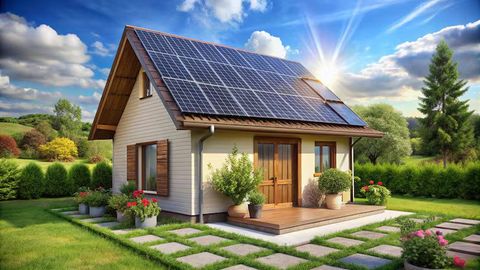
Wind power shows up on many farms these days. Solar panels sit atop barns instead of old shingles. Crops like corn sometimes turn into fuel for tractors. Manure gets turned into gas that heats buildings. Rivers spin small turbines near irrigation ditches. Sunlight powers water pumps where wires won’t reach. Plants once left in fields now feed boilers.
- Solar energy
- Wind energy
- Bioenergy
- Hydropower
- Geothermal energy
Working together with older farming ways, these systems help agriculture grow steadily over time.
The Link Between Renewable Power and Agriculture
Farms need power to keep going. From running water pumps to lights, fresh air setups also machines that handle crops - each needs electricity. Instead of burning coal or oil every time, clean energy taps into nature’s supply. Sunlight, wind, even plant waste can do the job just fine.
This way might work better for those who grow crops:
- Improve energy efficiency
- Reduce environmental impact
- Support sustainable farming practices
- Increase energy independence
- Make better use of natural resources
Farms stand a better chance when weather acts up, since clean power steps in to keep things steady.
Solar Power Shifts Farm Practices
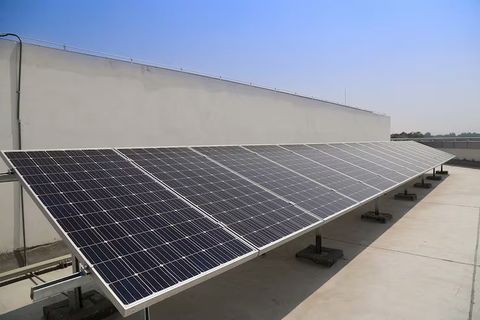
Sunlight fuels farms more than you might think. When daylight hits the panels, machines start humming across fields. Because of this, tractors charge up without touching fossil fuel. On bright mornings, water pumps run quietly through solar juice alone. Even irrigation systems wake earlier when sunbeams strike glass surfaces. Some barns stay lit all afternoon thanks to rooftops catching rays. As shadows stretch at dusk, stored power keeps lights on past sunset.
Solar-Powered Irrigation
Pumps driven by sunlight pull water from lakes, holes in the ground, or storage basins - cutting ties to standard fuels. Crops stay strong when water flows just right.
Benefits include:
- Reliable water supply
- Lower maintenance needs
- Reduced emissions
- Better support for remote farming areas
Solar Power on Farms
Solar panels can also provide electricity for:
- Greenhouses
- Storage facilities
- Livestock shelters
- Lighting systems
- Cooling and ventilation equipment
Farm output gets a boost when clean power comes into play.
Wind Power Helps Farms Stay Green
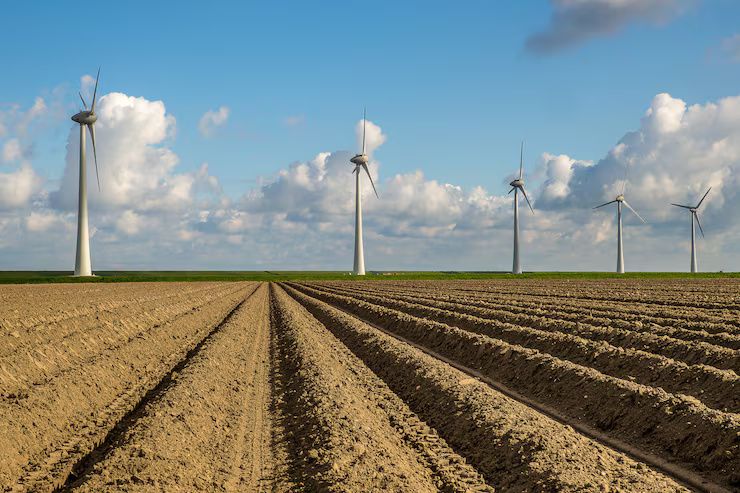
Out in the fields, wind turbines quietly do their work. Where farms stretch wide, breezes blow steady most days.
Wind energy can power:
- Water pumping systems
- Farm machinery support equipment
- Grain processing operations
- Electrical systems for agricultural buildings
Where winds blow strong, sunshine often fills the gaps, making them fit hand in glove. One fuels the day, the other wakes at night. Together, they steady the flow when either might falter alone.
Bioenergy Converts Farm Waste Into Energy
Out in the fields, leftover crops pile up alongside manure and bits of plants. These scraps, often left behind, hold hidden potential when put to better use. Turning them into energy gives old farm waste a second purpose. Rather than tossing it away, farmers might tap what's already there. What looks like trash becomes fuel through simple shifts in thinking.
Common Bioenergy Sources
Bioenergy can come from:
- Crop residues
- Animal waste
- Organic farm by-products
- Agricultural biomass
Burning these materials creates gas fuels, helpful when growing crops. Sometimes they turn into liquid power for tractors and tools. Each type gives energy in its own way. Not every farm uses them the same. Some prefer slow release methods.
Besides cutting down on excess trash, turning farm leftovers into useful materials pushes people to handle resources more carefully. When fields give up their scraps instead of sending them straight to dumps, smarter choices start shaping how things are reused.
Rewnewable Energy Helps Manage Water Better
Farms in thirsty areas are feeling the squeeze lately. When sunshine powers water pumps, less of it slips away unused.
Smart irrigation technologies powered by renewable energy can:
- Deliver water more accurately
- Monitor soil conditions
- Support automated watering schedules
- Reduce unnecessary water use
Fueled by fresh power sources alongside smart tools, nature’s essentials stay safer.
How Renewable Energy Helps Farms and Nature
Fresh power options help clean up our surroundings because they cut back on fossil fuel use. Still, switching lessens strain on Earth's limited supplies.
Some important environmental advantages include:
- Lower greenhouse gas emissions
- Reduced air pollution
- Better use of natural resources
- Improved soil and ecosystem protection
- Support for sustainable land management
Farming setups gain strength from these perks, readying them ahead of coming ecological shifts.
Smart Farming Meets Renewable Energy
Farms are starting to use digital tools more often because clean power helps run these modern systems. Solar panels and wind turbines quietly feed electricity into smart irrigation, letting crops grow with less waste.
Modern farms use smart tools such as:
- Weather monitoring systems
- Automated irrigation controls
- Crop sensors
- Agricultural drones
- Data management platforms
Sunlight and wind might just keep these new tools running smoothly, so farms can work smarter without wasting resources.
Barriers to Using Renewable Energy
Even so, clean power brings good things but problems remain too. Still, gains come alongside hurdles not yet cleared. For now, benefits show up even when issues linger on. True, progress happens though snags stay in place. Yet every plus has its matching struggle close behind.
Farmers may need to consider:
- Local weather conditions
- Space for renewable energy systems
- Equipment maintenance
- Technology integration
- Energy storage solutions
Fresh progress in clean energy tools means handling past hurdles now feels less heavy.
The Future Of Renewable Energy In Farming
Farming tomorrow leans on fresh power ideas. Sun-powered tools, stored electricity, breeze-driven machines, alongside plant-based fuels open doors for earth-friendly food growing.
Future trends may include:
- Smarter renewable energy networks
- Greater use of energy-efficient equipment
- Improved battery storage systems
- Expanded use of agricultural biomass
- More integration with precision farming technologies
Farming might adjust better when new tools arrive. Changes in weather or money matters could feel less harsh this way. When conditions shift, fresh methods tend to soften the blow. Tough seasons may become easier to handle over time. Progress often shows up just when it is needed most.
Conclusion
Farming feels different now because sunlight, breezes, and plant-based fuels quietly change how work gets done. Not only do these natural sources cut down pollution, they also make operations run smoother over time. From one field to another, clean energy brings shifts that stick without making noise. Each method grows stronger where it fits, working without wasting what nature gives.
Out in the fields, new tools are quietly changing how crops grow under the sun. Instead of old ways alone, smart upgrades help save water while power runs on wind and light. Machines hum at dawn, powered by choices that respect the soil they work. With each season, farms adapt, using less but gaining balance. Change creeps in not with noise, but through steady shifts in habit and design.