Electricity is essential in modern life. Homes, farms, cabins, research stations, and remote facilities all depend on reliable energy. But not every location can easily connect to the main electricity grid. In these situations, standalone power systems become an important solution.
A single building might run on its own electricity thanks to a self-contained unit generating and holding power right where it's used. Off the main network, this kind of setup works without any outside help.
These systems can use different energy sources, including:
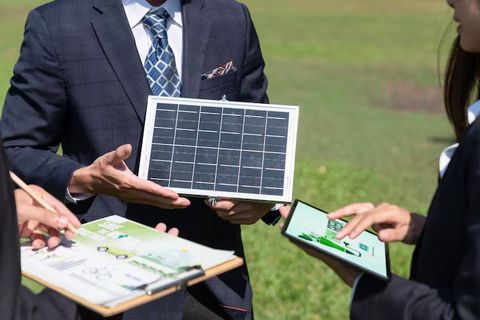
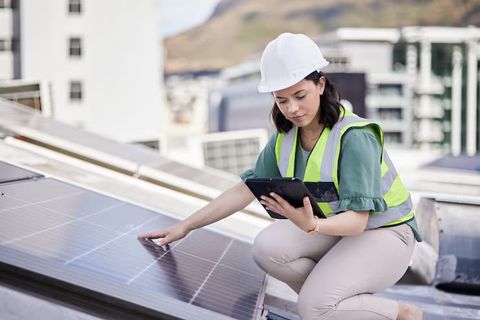
- Solar panels
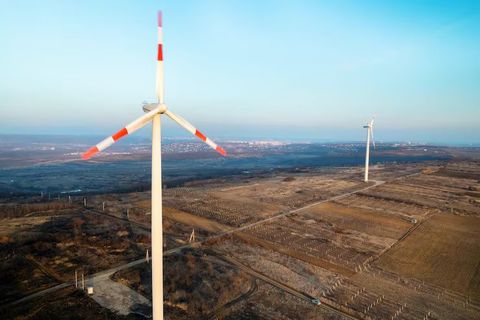
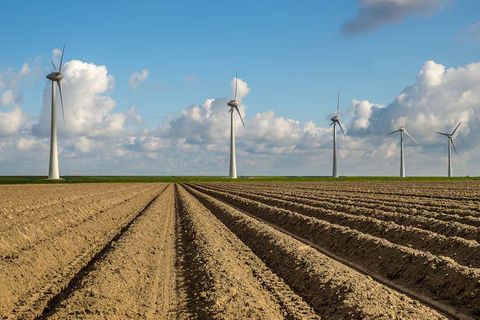
- Wind turbines
- Diesel generators
- Hydroelectric systems
- Battery storage units
Energy output stays steady these days because different tech types work together inside most new setups.
When the sun shines, solar panels grab light for power. Stored in batteries, that energy waits until dark comes around later. One typical setup works entirely off the grid like this.
Off Grid Power Systems How They Work
Off grid power systems follow a simple process:
1. Electricity Generation
Electricity begins when the setup taps into either green power or standard fuels. Where sunshine flows without cost, solar arrays pop up more than anything else. Starting with rays from above, these panels turn light straight into usable current.
2. Power Conversion
Electricity usually flows into a device called an inverter first. From there, it changes form - starting as DC, then becoming AC instead. Most home devices run on that back-and-forth flow of power. Without this shift, many machines just wouldn’t work at all.
3. Battery Storage
Built like a tank, battery storage holds onto extra electricity when it is not needed. When skies turn gray or darkness falls, that saved energy keeps things running. Stored juice comes out to play exactly when sunlight takes a break.
4. Power Distribution
When needed, the saved power runs lights, gadgets, and tools for talking. It drives water movers too, along with machines people use every day. Electricity moves where it is required most at that moment.
5. Backup Power
When renewables slow down, spare power units kick in. These backups keep lights on if sun or wind lag too long. Power stays up through quiet stretches. Extra engines hum awake when nature runs calm. Supply holds even during still days.
Main Parts of an Independent Power Setup
What makes SAPS work well comes down to knowing its main pieces. How smoothly they run ties back to what's inside them. The way these elements connect shapes their performance. Inside each system lies a structure that drives function. Efficiency shows up when components fit just right.
Solar Panels
When sunlight hits them, solar panels turn light into power. These setups run without noise while needing little upkeep. Often found far from cities, they serve areas hard to reach.
Battery Storage
Storing electricity? Batteries make it possible. These days, lithium-based systems last longer, charge quicker, while using less energy overall.
Inverter
An inverter converts stored electricity into usable household power.
Charge Controller
Electricity moves through a charge controller before reaching the batteries. This keeps them safe by stopping too much power from building up inside. It acts like a gate that closes when levels get high.
Backup Generator
When skies stay gray, a generator can step in to keep power flowing in certain hybrid off-grid setups.
Monitoring Systems
Energy output, stored power, and how much is used show up clearly through intelligent tracking devices. These digital helpers give live updates without needing constant checks by hand.
Standalone Power Systems Gaining More Users
Fuel prices keep climbing, so people look elsewhere. Off-grid setups skip the middleman entirely. Weather changes make old grids shaky sometimes. New tech makes small-scale power less clunky now. Some homes sit too far for wires to reach easily.
More power is needed where people live far from cities. These places rely on steady electricity so they can stay connected, get medical care, learn, plus grow food.
Fresh progress in sunlight catchers pushes what small power setups can do. Year by year, upgrades roll in without pause. Storage boxes hold more juice now than before. Because of that shift, remote systems fit easier into regular routines. Performance climbs while demands shrink. New models slip into homes like quiet helpers.
When storms hit or equipment gets old, power lines might struggle. Yet homes running on separate setups stay lit without relying on the main grid.
Switching to renewables means using less coal and oil while pushing for greener power methods. A shift like that changes how we fuel homes without leaning on old dirty habits.
Solar Standalone Power System Benefits
A solar standalone power system offers several advantages for remote properties and isolated facilities.
Reliable Power in Remote Areas
Out in distant spots, power comes alive through setups that work when grid lines can’t reach. Where wires struggle to go, energy finds another way.
Reduced Fuel Dependence
Less reliance on fuel shows up when sunlight runs the show instead of gas-guzzling machines, particularly where sunshine hits hard. Solar setups step in where generators once dominated, cutting ties to constant refills and noise. Places soaked in sun find this switch smooth, like trading a smoke-spitting engine for quiet panels doing silent work.
Quiet Operation
Most folks notice how solar setups run without noise. Unlike old-style generators, these systems hum along almost silently. Power comes through sunlight captured by panels. Stored energy waits in batteries till needed. Not a sound marks their steady work.
Environmental Benefits
Sunlight, wind, or water power keeps air cleaner since they release nothing while making power. Machines running on these sources work quietly, leaving skies unclouded by smoke.
Scalability
Over time, rising power demands might mean a system grows too. How it scales depends on initial setup choices made early. Growth isn’t automatic - it hinges on how parts were picked at the start. When demand climbs, expansion becomes possible only if planned ahead. What works now may fall short later without room to stretch.
Power Systems for Remote Locations
Faraway places get electricity through special setups. These work in different jobs across tough spots on Earth.
Residential Properties
Far from city grids, country households get power through standalone solar setups. Out in the countryside, homes depend on these systems just to run basic appliances each day. Away from mainlines, such families turn to independent panels when they need light or charge. Living distant means no grid access, so off-grid solutions become essential for regular use. These dwellings stay powered only because of localized energy sources working quietly every morning.
Agriculture
Farms run on separate setups to power watering tools, keep animals inside boundaries, cool stored goods, while also helping equipment work properly.
Mining Operations
Out in remote corners, mining camps often run on their own power systems. Sometimes a single generator keeps things moving where grids won’t reach.
Telecommunications and Monitoring
Out in the middle of nowhere, communication towers keep signals moving because power stays steady. Monitoring spots rely on constant energy just as much, especially when they are far from cities. Electricity must hold strong where help is hours away. Remote sites fail fast if the current wavers even slightly.
Emergency Response
When disasters strike, emergency crews might rely on mobile power units if the grid goes down. These self-contained setups kick in where electricity fails. Power loss doesn’t stop them - compact generators step up silently. During blackouts, temporary energy sources keep critical functions running. When lines are out, independent systems fill the gap without delay. Recovery efforts gain strength from off-grid solutions when needed most.
Eco Tourism
Out in distant areas, eco lodges keep going thanks to solar panels and wind power. These setups help cut reliance on fuel shipments by running off natural sources instead. Some spots even collect rainwater while generating their own electricity. Power independence lets these places operate without harming surrounding nature. With smart design, they stay open year round using minimal outside support.
Battery Storage Power Systems Explained
Energy storage is one of the most important parts of SAPS.
When the sun goes down, solar panels stop producing power. Yet homes still need juice at night - this is where battery setups step in. Stored sunlight turns into backup flow when skies darken. Electricity waits quietly inside these units until called upon. Nighttime becomes no different than daytime, thanks to held charges ready to respond.
Types of Batteries
Common battery technologies include:
- Lithium-ion batteries
- Lead-acid batteries
- Gel batteries
- Flow batteries
These days, lithium-ion tech shows up more often since it lasts longer while working better. Though some options fade fast, this one keeps going thanks to solid performance over time.
Energy Storage Matters
Battery systems help:
- Maintain stable electricity supply
- Store excess solar energy
- Improve energy independence
- Support nighttime energy use
- Reduce generator usage
Fault detection built into today's setups watches silently from within. Alerts pop up only when something shifts outside normal patterns. Sensors spread through the structure catch small changes early. Oversight happens constantly, yet stays invisible during regular operation.
Hybrid Standalone Energy Systems Explained
Powered by more than one source, hybrid standalone setups work better over time. Running on varied inputs, these systems keep performance steady through changing conditions. Mixing solar with wind, or adding storage, helps them deliver when needed most.
A machine could have parts like these:
- Solar panels
- Battery storage
- Wind turbines
- Backup generators
When skies shift, these blended setups keep power flowing without a break.
Hybrid Systems Offer Multiple Benefits
Power stays on more often when different sources are mixed - no single point fails easily. A mix spreads out weak spots so nothing shuts down fast.
Through the day and year, one system picks up when another slows down. Solar works while the sun shines, wind takes over during storms. Seasons shift, yet supply stays steady. Power gaps grow smaller as methods balance out. Efficiency rises without relying on just one source.
One way things shift is how hybrid setups handle different power needs with ease. Sometimes they stretch, sometimes they shrink - always fitting the moment.
Fuel-based generators get used less when renewable sources provide power instead. Solar or wind fill gaps without burning gas.
Challenges of Standalone Power Systems
Yet SAPS bring along some difficulties despite their advantages.
Weather Dependence
Sunlight shifts affect solar output now storms slow turbines too. Cloud cover cuts panels’ yield while calm days stall spinning blades nearby. Winds change without warning so power dips follow behind slowly.
Energy Management
Users must carefully manage electricity use to maintain system balance.
Battery Replacement
Battery life runs down after years of use. Still, upkeep helps stretch how long it lasts before needing a swap. Over time, every system will need new cells just like that.
System Sizing
Getting the size right matters because too small means power gaps, too large leads to extra unused output.
Remote Maintenance
Out in the middle of nowhere, fixing equipment isn’t always straightforward. Even so, today’s tools are slowly making machines run better and last longer.
Smart Tech Enhances SAPS
Out here, smarts inside energy setups change the way off-grid power behaves. A different rhythm kicks in when tech runs the show alone.
Advanced software can now:
- Monitor battery levels in real time
- Predict energy usage patterns
- Optimize charging cycles
- Detect technical problems early
- Improve overall efficiency
Occasionally, setups include distant oversight via smartphone programs or online services hosted remotely.
Finding their way into power systems, artificial intelligence pairs with forecasting tools in daily operations. Machines that learn patterns now help balance supply by spotting trends ahead of time.
Off Grid Power and the Environment
Sunlight, wind, or water keep some homes running without touching a power line. These setups leave less behind than burning oil or coal. Machines that run on air flow skip smoke entirely. Nature feeds them instead of tanks or pipes. Less mess shows up when the source never runs out. Smokeless options grow common where wires cannot reach.
Benefits Include:
- Lower greenhouse gas emissions
- Reduced fuel transportation needs
- Less noise pollution
- Support for sustainable living
Fresh winds, along with sunlight, offer quiet power where nature needs care.
Battery recycling done right still matters, just like tossing old gear the proper way. Though folks overlook it sometimes, handling these things carefully keeps making a difference.
Future Trends in Standalone Energy Systems
Faster changes in power systems keep pushing SAPS ahead. Though new tools arrive fast, the path stays steady.
Improved Battery Technology
New battery designs aim to deliver:
- Longer lifespan
- Faster charging
- Higher storage capacity
- Better safety
Fine-tuned decisions come from machines learning patterns over time. Efficiency climbs when systems adjust without waiting for human input. Reliability grows because predictions catch issues before they spread. These changes stick around, quietly shaping how power flows day after day.
Greater Renewable Integration
Renewable sources like solar, yet also wind and hydro, will link up more often across power setups. While grids adapt, these mixes become common sights in energy networks.
Portable and Modular Systems
Out in the open, small-scale power setups now pop up where needed - lightweight, self-contained, ready to move. These units show up at campsites, roadside jobs, even backyard events, bringing juice without strings attached. Movement matters here, not permanence. Each piece fits together like puzzle parts that travel well. Flexibility wins when outlets stay far away.
Community Energy Networks
Out here, a few faraway places try grouping their own small power setups. These networks run on green energy sources set apart from big grids. People share what they generate among themselves. Not everyone does this yet. Still, it shows how local efforts can handle electricity needs differently. One step at a time, some choose this path just because it fits where they live.
Standalone Power Setup Selection
Energy demands shift from place to place. Because climate, usage patterns, and available space differ, setups must adapt.
Daily Energy Usage
What you use each day matters most when it comes to power. Knowing how much electricity flows through your home shapes choices without saying a word. Each habit adds up, quietly revealing patterns over time.
Climate Conditions
Bright sunlight makes solar panels work better, yet strong winds help turbines spin faster. Seasonal shifts change how much power systems produce throughout the year. When days shorten in winter, output often drops unless skies stay clear. Windy springs can boost electricity even if sun hours are limited.
Battery Capacity
Battery size should line up with how much power you plan to use. What matters is making sure stored energy fits your needs.
Future Expansion
Later on, a few people design setups meant to expand slowly. Growth matters to them when they build things now.
Backup Planning
When sunlight runs short, having extra power options can keep things going. Thinking ahead makes systems work better over time. A solid plan today means fewer surprises later.
Conclusion
Out in distant places, new ways of getting electricity are taking shape without relying on big grids. Solar setups now work better on their own, letting homes run off sunlight even far from cities. Storage units hold extra power, so lights stay on when the sun disappears. Some systems mix different sources, combining sun and stored juice to keep things running. These shifts mean fewer folks depend on old-style power lines snaking through rugged land.
Out in the countryside, homes and farms rely on these setups when power lines can’t reach. Though cities have grids, remote spots depend on standalone systems to keep things running. With each new breakthrough in solar or wind tech, their importance grows quietly behind the scenes. Not loud, yet steady, they’re becoming a go-to where electricity needs to stand alone. Progress isn’t always flashy - sometimes it just powers one light at a time.