Some guests notice solar panels before they even check in. When sunlight powers lights and heating, costs tend to drop over time. Owners watch bills shrink without changing room prices. Clean energy systems sometimes surprise managers with steady performance. Travelers stay longer at spots that feel responsible. Machines run quieter when fueled by wind or sun. A small shift today might shape how buildings work years later.
Sunlight powers more than just big beachfront spots now. Tiny inns, unique stays, little cabins tucked in woods - they’re catching on too. Some run on rooftop rays instead of old power grids. Others cut waste by reusing heat or choosing smarter tech. Ideas shift depending on location, size, even weather patterns nearby. Each place picks what works without copying others.
Renewable energy use in hotels helps reduce environmental impact and supports long-term sustainability efforts.
Throughout the day and into the night, hotels keep lights on along with climate systems running. Kitchens stay busy while laundry areas hum alongside them. Swimming pools need constant care just like other parts of the building. Each of these uses plenty of power and water without pause.
Renewable energy can help hotels:
- Lower dependence on traditional power sources
- Support environmental conservation
- Improve energy efficiency
- Reduce carbon emissions
- Build a positive reputation among travelers
Staying somewhere eco-friendly now matters to a lot of travelers. Green choices often shape where people decide to go.
Common Green Power Options Used by Hotels
Solar Energy
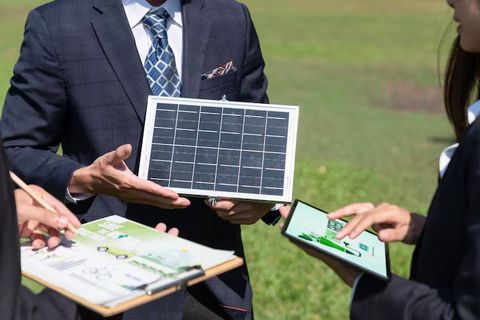
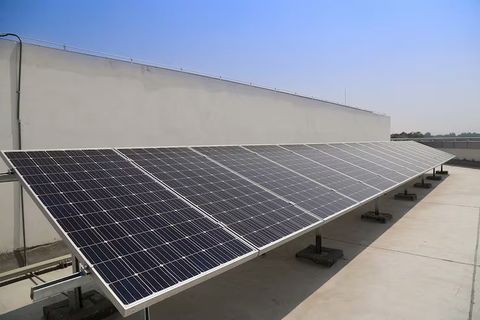
Most hotels find solar power fits their needs well. Where rooftops sit empty, panels go up instead. Parking lots double as sun-powered zones when covered above. Open land near buildings? That works too.
Solar power can support:
- Guest room lighting
- Outdoor lighting
- Water heating systems
- Swimming pool heating
- Common area electricity
Sunlight becomes a bigger help for hotels when they’re placed where it shines most. Where days stay bright, using daylight smarter makes a real difference inside buildings. Places that get steady sunshine often save more by leaning into natural light.
Wind Energy
A breeze rolls in where the land meets the sea, offering some shoreline lodgings a quiet chance at power. When winds pick up steadily, spinning blades start feeding current into the building’s flow. Not every gust delivers, but on strong days, motion becomes juice through thin towers rising beside dunes.
Even if wind power isn’t right everywhere, pairing it with other clean sources often brings better results.
Geothermal Energy
Beneath our feet, the earth holds steady warmth that some systems tap into for home temperatures. Because of this setup, houses stay cozy or cool without leaning so heavily on standard power sources.
Some big hotels look into geothermal options when thinking ahead about sustainable operations.
Smart Energy Management Systems
When renewable power joins forces with clever tech, things start running smoother. These smart setups keep an eye on how electricity flows through a building, adjusting as needed.
These systems can automatically adjust:
- Room temperature
- Lighting levels
- Ventilation
- Water heating
- Power consumption during low occupancy
By cutting wasted power, comfort stays just right for visitors. Stillness in systems keeps things running clean behind the scenes. Less draw means lights stay warm but smart. Guests feel no difference, yet efficiency climbs under the surface. Hidden tweaks deliver steady results without slowing a single step.
Energy-Efficient Lighting Solutions
Out of all upgrades, swapping to efficient lighting ranks among the simplest for lodging spots. These new LEDs draw far less electricity compared to older models. Their life lasts years beyond regular ones.
Folks running hotels might try out different options too:
- Motion sensor lighting
- Smart outdoor lighting
- Automatic hallway lights
- Daylight-based lighting controls
Small tweaks might just streamline how things run each day.
Water Saving and Renewal Methods
Most of the time, you find water tied to power use somehow. Cutting down on wasted flow while switching to clean energy helps places like hotels run smarter.
Some useful ideas include:
- Solar water heating systems
- Rainwater collection
- Low-flow faucets and showers
- Smart irrigation for gardens
- Water recycling for landscaping
Water handled with care helps nature while keeping things running smoothly.
Green Building Design For Hotels
Starting fresh, today’s hotels weave eco-friendly power into their core plans. Built smart, these spaces grab sunlight and airflow to cut down on heavy grid reliance.
Common design strategies include:
Natural Ventilation
Fresh air moves easier through some structures, cutting reliance on machines that chill indoor spaces.
Better Insulation
High-quality insulation helps maintain comfortable indoor temperatures throughout the year.
Large windows let in daylight
When the sun is up, lights might stay off because daylight fills rooms. Sunlight streaming through windows often makes lamps unnecessary while skies are bright outside. As long as there's sunshine, electric bulbs tend to sit idle during morning and afternoon stretches. Brightness from outdoors usually covers what indoor fixtures would otherwise handle until dusk arrives.
Green Roofs
On rooftops where plants grow, warmth stays trapped more effectively. These green areas also offer quiet spots outside, away from usual paths.
Renewable Energy Helps Hotels Use Less Fossil Fuel and Lower Utility Costs Over Time
Sure thing lasts longer when it helps nature while also saving money down the road.
Improved Sustainability
From rooftops to basements, hotels now join worldwide moves to cut down on waste and save Earth's supplies. A shift begins quietly behind laundry rooms, where water flows less freely than before.
Better Guest Experience
Some guests like places that care about nature while helping travel stay kinder to the planet.
Greater Energy Independence
Some hotels mix solar panels with wind energy so they need fewer old-style generators.
Stronger Brand Image
Most guests notice when a hotel cares about the planet. That attention can make it different from others nearby. Choices like saving water or cutting waste add up over time. A place feels more honest when actions match words. Staying power comes from small steps taken daily. What matters grows quietly behind the scenes.
Challenges to Consider
Starting fresh means thinking ahead on each step. When weather patterns shift, room layout matters just as much as sun exposure. Building shape plays a role, while nearby rules often guide what fits where. One size never fits all when surroundings decide outcomes.
Hotels should also think about:
- Seasonal weather patterns
- Property size
- Energy consumption habits
- Maintenance requirements
- Future expansion plans
Most of the time, mixing things up works out fine. Sometimes going halfway gives what you need.
Hotel Energy Shifts Toward Renewables
One step ahead, tech upgrades help hotels tap into green power easier these days. Some new builds could run on smarter grids, using AI to track usage while batteries store extra juice behind the scenes.
Now showing up in more places, hybrid setups mix sunlight capture, wind power, lights-on tracking tools. Such tech helps lodging spots run with less waste, sharper results.
Conclusion
Out front, sunlight feeds rooftop panels that keep lights on. Some buildings stand where breezes turn turbines quietly through the night instead. Beneath certain floors, warmth rises naturally from below ground, cutting down furnace work. Inside these places, digital brains track usage like a steady hand - wasting less without asking guests to notice. Each choice adds up differently but always points one direction.
Comfort begins where sunlight meets smart walls, not just glass and steel. When rooftops gather rain instead of wasting it, guest rooms stay calm without heavy costs. Windows placed with care let breezes move like quiet guides through hallways. Power flows from fields beyond the property line, turning wind into warmth overnight. Guests notice less noise, more stillness in how things work behind the scenes. Choices made today about materials echo in tomorrow’s repairs and bills. Clean energy isn’t added on - it grows from how doors open, lights fade, floors breathe. Each decision pulls weight long after check-in ends.