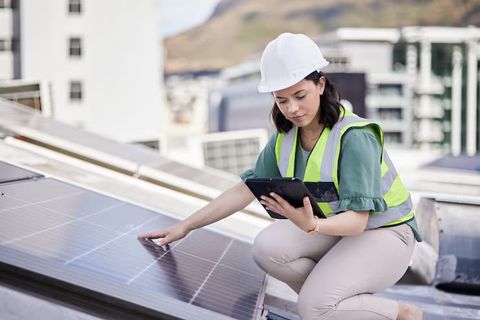
Switching to solar energy is becoming a practical step for many industries and businesses. However, the success of a solar project depends heavily on choosing the right EPC partner. If you’ve come across terms like solar EPC companies in India or wondered how the process works, this guide will help you understand everything in a clear and simple way.
What Solar EPC Companies Are?
From design to delivery, a solar EPC firm manages every phase. Known as Engineering, Procurement, and Construction, EPC guides projects start to finish.
This includes:
- Designing the system (engineering)
- Sourcing materials (procurement)
- Installing and commissioning the plant (construction)
One company handles it all, so there is no need to juggle several suppliers. Because of this setup, moving parts align more easily.
Choosing the Right EPC Contractor Makes a Difference
A solar project lasts many years. How well it works depends on how carefully it was set up - details matter most once things are running. Mistakes at the start can echo far into the future.
- System performance
- Reliability over time
- Safety standards
- Maintenance requirements
Poor selection of a builder might bring setbacks, glitches, or faulty setups. Yet picking the right EPC firm means smooth operation over time.
What Solar EPC Services Are
Figuring out what EPC services cover can guide your choice. Sometimes knowing the details shifts how you see the whole thing.
1. Engineering Design and Planning
This phase builds around how the system takes shape, guided by what comes next.
- Site conditions
- Energy needs
- Available space
Energy output improves when design choices work well together.
2. Procurement (Material Selection)
The contractor selects components like:
- Solar panels
- Inverters
- Mounting structures
- Electrical systems
How well these parts work together shapes how fast the system runs. A mismatch can slow everything down without warning.
3. Building Setup and Work
This includes:
- Site preparation
- System installation
- Electrical connections
- Testing and commissioning
Getting it right means fewer risks down the road. A steady hand today keeps problems away tomorrow.
Solar Project EPC Process Simplified
When you know how solar projects move through design and build stages, it becomes clearer if a contractor sticks to a clear plan. A grasp of the EPC workflow lets you spot inconsistencies in their method without guessing.
Site Assessment Begin
The contractor studies:
- Sun exposure
- Ground state or rooftop setup
- Local regulations
System Design Phase
Every detail of your space plus how much power you use shapes the setup made just for it. The design fits what you need, built from real measurements and usage patterns.
Project Planning Step Three
Execution moves forward when timelines take shape, materials line up, yet plans stay flexible. Workflows click into place only after each step finds its rhythm.
Step 4: Installation
After checking safety rules, workers put the system in place. Placement happens only when quality checks pass. Each step follows clear guidelines people agreed on earlier. Rules guide every part of setup to avoid mistakes. Workers make sure nothing skips inspection before going live.
Testing and Commissioning
Once built, the system runs through checks so each part performs as needed. Only after passing every test does it go live. Mistakes get caught early because verification happens step by step. Functionality matters most, so nothing moves forward unchecked.
Handover and Documentation
Exact setup steps along with how to run it come next. Details on structure plus usage appear now.
Choosing a Solar EPC Contractor Key Considerations
Picking an EPC provider can feel overwhelming - yet it really does not need to be. Pay attention to what matters most here instead.
1. Experience and Track Record
Look for companies with:
- Proven project experience
- Diverse project types
- Consistent performance
Most times, what someone's lived through shows how steady they are.
2. Technical Expertise
A strong technical team ensures:
- Efficient system design
- Proper installation
- Smooth troubleshooting
3. Quality of Components
A single weak part might drag down an otherwise smart setup. When pieces fail quietly, results dip without warning. Smooth operation depends on each piece holding up its end. One shaky element risks the whole chain. Performance slips when trust in parts fades.
Check:
- Panel efficiency
- Inverter quality
- Structural durability
4. Project Management Approach
Working step by step cuts down on wait time, while also clearing up misunderstandings.
Ask about:
- Timelines
- Coordination methods
- Reporting systems
5. Compliance and Safety Standards
The contractor should follow:
- Local regulations
- Electrical safety norms
- Industry best practices
6. After-Installation Support
Even after completion, support matters for:
- System monitoring
- Performance checks
- Issue resolution
Choosing EPC Companies What To Watch For
Most folks stumble on common errors when picking something. Knowing what trips them up helps cut down wasted energy. A few seconds spotting pitfalls shifts how things turn out.
Avoid These Pitfalls:
- Focusing only on short-term considerations
- Ignoring technical capabilities
- Overlooking past project performance
- Not understanding the full EPC scope
- Skipping proper evaluation of materials
Most of the time, something right in the middle gets better results.
Comparing Solar EPC Firms Across India
Looking into solar EPC firms across India, each seems to play by its own rules.
Here’s how you can compare them effectively:
1. Portfolio Review
Check previous projects:
- Scale and size
- Industry type
- Geographic location
2. Team Strength
A strong team often includes:
- Engineers
- Project managers
- Technical specialists
3. Process Transparency
Professionals often show it through how clearly they speak. A workflow that makes sense can say a lot about the person behind it.
4. Adaptability
Each project stands apart. Flexibility defines a solid EPC firm - shaping approach based on need, shifting methods when required, adjusting pace without delay, responding as situations unfold, tailoring solutions where needed, staying alert to changes, moving differently if the work demands it.
- Site-specific challenges
- Custom energy needs
How to Choose an EPC Without Problems
These tips can help you choose without making it complicated. A few small ideas might point the way forward. Sometimes clarity comes from stepping back a little. Each thought here fits together like pieces that belong. They work because they’re clear, nothing more. What matters shows up when noise fades out.
Begin With Defined Objectives
Define:
- Your energy requirements
- Available space
- Long-term expectations
Ask Better Questions
- How is the system designed?
- What technologies are used?
- How is project progress tracked?
Evaluate Communication
What you say matters when deadlines are tight - honest updates build trust fast. A message sent early shows others they can count on you.
Think Long-Term
What matters most is how well it holds up, runs smoothly, then keeps delivering day after day. Long-term strength shapes everything else that follows behind. Speed means little if breakdowns pile up too fast down the road.
Working with an experienced EPC partner can help keep projects on schedule and within budget while reducing risks through better planning and coordination.
Choosing wisely can bring several advantages:
- Efficient system performance
- Reduced operational issues
- Better energy output
- Smooth project execution
- Peace of mind
Building your solar plans? A solid EPC ally holds everything together. Starting something big? That partner keeps progress steady. Relying on support that fits? This one shapes the backbone of every move you make.
What’s Next for Solar EPC Work
Faster changes hit solar power, so EPC setups shift too.
Key Trends to Watch
- Use of advanced design software
- Integration of smart monitoring systems
- Focus on sustainability and efficiency
- Improved project planning tools
Keeping up with shifts like these makes picking an EPC provider easier. What matters most is how well they adapt ahead of time.
Final Thoughts
Most people find it simpler to choose when they know what solar EPC really means. Rather than moving fast, slow down - look at each possibility one by one.
Remember:
- Focus on experience and expertise
- Understand the full EPC process
- Start by wondering what others might do differently. Then see how your way lines up when placed beside theirs
- Think long-term, not just immediate results
Picking a solar EPC builder isn’t merely ticking off a task - long-term function hinges on the choice made today. While some firms fade fast, others stand firm through seasons of sun and storm alike.