Electricity bills can quietly take up a big part of your monthly budget. With rising energy demand and changing weather patterns, many households are looking for smarter ways to manage their power use. One practical and sustainable solution is switching to renewable energy.
Picture this - cutting your electricity costs with sunlight on the roof. Solar panels soak up rays, turning them into usable power right where you live. Instead of relying only on the grid, your house taps into clean energy each day. Other green choices pair well with solar, boosting what you save. Think wind or geothermal helping out when sun dips low. Each option cuts dependence on old systems slowly. You see lower charges on monthly statements without changing daily habits. Learning how it works does not need an engineering degree. Simple steps lead to real shifts over time. Savings grow while carbon fades behind.
Sunlight, wind, or even flowing water - these fuels keep going without ending. Traditional power often pollutes; this kind stays gentle on nature instead.
For homes, the most commonly used options include:
- Solar energy (using sunlight)
- Wind energy (using small turbines)
Water power works in certain spots, though folks rarely pick it for houses. Location decides if it fits, making chances slim yet real now then
Out of all choices, solar power stands out as what homes actually use the most - simple, within reach. Most families go for it because it just makes sense in everyday life.
Electricity Bills Rise Over Time
Here's a look at what pushes power costs higher before tackling fixes
- Increased use of appliances like ACs, heaters, and electronics
- Higher energy tariffs in many regions
- Energy loss due to inefficient systems
- Dependence on grid electricity
Solar power steps in right here, cutting back how much you rely on standard electric supply.
How Solar Panels Lower Home Energy Costs
1. Make Your Own Power
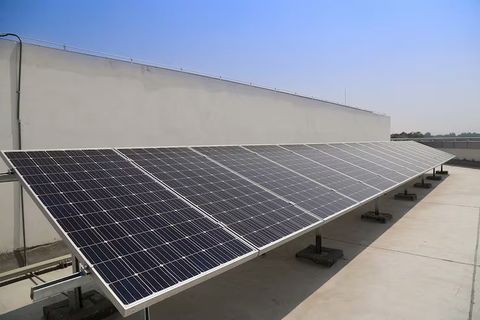
When sunlight hits solar panels, they make electricity. Because of that, using power from the grid becomes less necessary.
- Daytime appliances can run on solar energy
- Less electricity is drawn from the grid
- Each month, usage drops a lot
2. Reduced Reliance on Utilities
When you produce your own power:
- You are less affected by rising electricity rates
- You gain more control over energy usage
3. Net Metering Advantages If Offered
Back home, extra power from sunlight might flow into the main electricity network. Sometimes, when panels make too much, it slips away down wires elsewhere.
- Extra energy generated during the day
- Payments could lower your next power bill
4. Long-Term Savings
Once installed, solar setups begin delivering steady advantages over time
- Reduced monthly bills
- Stable energy source for years
- Minimal maintenance needs
Renewable energy helps homes use less fossil fuel and lowers electricity bills over time while reducing environmental impact
Fresh air follows when we choose renewables instead of cash savings alone. Longer benefits show up quietly over time.
Environmental Benefits
- Reduces carbon footprint
- Decreases pollution
- Supports sustainable living
Energy Independence
- Less reliance on external power supply
- Better control over energy usage
Reliable Power Supply
- Consistent energy during sunny days
- Pair it with storage setups when backing up data
Low Maintenance
- Solar systems typically require minimal upkeep
- Now and then, a quick clean plus an inspection does the job just fine
Lower Electricity Costs With Solar Panels
If you’re planning to use solar energy, here are practical steps to maximize savings:
1. Optimize Panel Placement
- Install panels where sunlight is strongest
- Avoid shaded areas
- Proper angle improves efficiency
2. Use Energy During Daytime
When sunlight hits the panels, they start making electricity. Because of this daytime production, energy builds up while the sun is out. Though nothing happens at night, the system rests until morning comes again
Start your laundry when the sun is up. Cooking cleanup happens easier if you wait until morning light. Machines work just fine while daylight lasts
- Reduce grid usage
3. Use Energy Efficient Appliances Together
Solar works best when paired with efficient devices:
- LED lighting
- Energy-efficient fans and ACs
- Smart home systems
4. Monitor Energy Usage
Track how much electricity you produce and use:
- Identify high-consumption appliances
- Adjust usage habits
Alternative Home Energy Sources Beyond Solar
Though many pick sunlight power, different green choices exist too. Still, a few alternatives stand out just as much.
Small Wind Turbines
Built where breezes never quit. Windswept zones fit best. Where gusts repeat daily, performance stays steady. Motion in air powers function here most reliably
Might boost sunlight power
Hybrid Systems
- Combine solar and wind energy
- Improve overall energy generation
Solar Water Heating
- Uses sunlight to heat water
- Reduces electricity used for heating
Popular Misconceptions Around Solar Energy
Some folks hold back from using clean power because of what they think they know. Time to sort fact from fiction
Solar Works Beyond Hot Regions
Surprisingly, solar panels rely on light from the sun - temperature doesn’t matter much at all. A cloudy day still delivers usable energy. Sunlight intensity? It barely needs to be strong.
Myth Two Maintenance Complexity
Reality: Solar systems are low-maintenance and easy to manage.
Myth 3 Not Making Much Difference
Sun power cuts costs, even when used a little. A small setup still means lower bills.
Ways to Save More Every Day
Here are some easy habits that work well with renewable energy:
- Turn off unused appliances
- Use natural light during the day
- Avoid standby power consumption
- Schedule heavy usage during solar production hours
A few tiny shifts - alongside sunlight power - add up in ways you might actually see.
Some Homes Can Use Solar Power But Not All?
Most houses can use solar power, yet some things need checking first
- Availability of sunlight
- Roof space and direction
- Local regulations and policies
When a complete solar system isn’t doable, smaller setups might cut electricity costs. Sometimes just part of a roof covered helps lower what you pay each month.
Renewable Energy Use Growing in Homes
Sun power shows up more around homes these days. With better gear arriving slowly:
- Systems are becoming more efficient
- Energy storage solutions are improving
- Smart energy management is becoming accessible
More homes can expect cleaner power sources soon - access is opening up wider. Not everyone saw this shift arriving so fast, yet here it stands. A change like this usually takes decades, but momentum has picked up. Slow steps led here, though now progress feels quicker. What once seemed distant becomes real each year. Availability spreads without fanfare, just steady movement forward.
Final Thoughts
Most ways to lower power costs aren’t extreme. Choosing green sources like sunlight gives you steady command over how much juice you use. It just makes sense without needing big shifts.
Home electricity costs drop when sunlight powers your roof. Living this way means less waste without feeling deprived. Pairing rooftop panels with mindful routines creates steady results over time. Energy independence grows quietly through routine choices alongside modern tech. Savings appear slowly, then all at once.