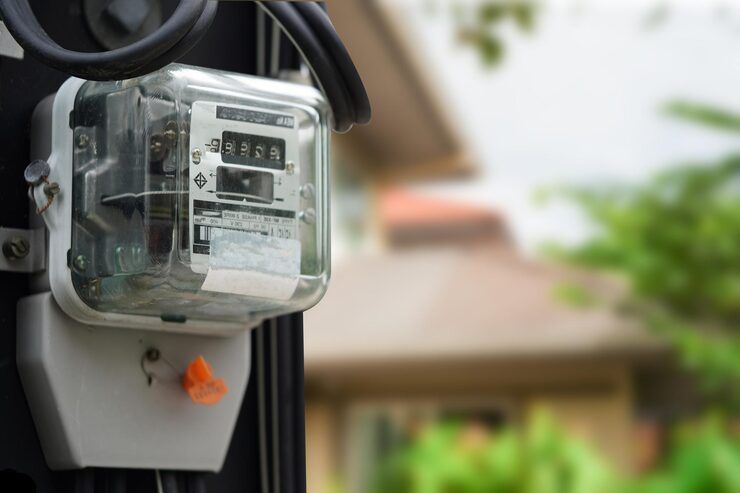
Modern homes depend heavily on electricity every day. Lighting, internet access, kitchen appliances, heating, cooling, and security systems all rely on a steady power supply. When outages happen, even simple daily activities can become difficult. This is why many homeowners now explore reliable emergency power options.
When the main power goes out, home backup systems step in to keep things running. Power flows to key devices - or maybe everything - without needing you to flip a switch. Some kick on by themselves; others need a nudge. Electricity keeps moving even if the grid does not. What gets powered depends on how the setup is arranged.
Storms might knock out lines. Equipment sometimes fails on its own. Animals occasionally cause shorts in boxes. Trees often touch wires during wind. Workers may dig too close by mistake
- Severe weather
- Grid maintenance
- Electrical faults
- Storm damage
- High energy demand
- Natural disasters
When things go wrong, having backups ready might keep work moving. A solid plan sits quietly until needed - then makes all the difference.
Common Features of Backup Systems
Most residential emergency power solutions include:
- A power source
- Energy storage or fuel supply
- Transfer equipment
- Safety controls
- Monitoring systems
When power fails, certain setups kick in by themselves; meanwhile, some need someone to turn them on.
Emergency Power Systems Keep Lights On
Out here, power lines feed into just about everything we do each day. When the juice cuts out - even for minutes - phones glitch, fridges warm up, work halts, rooms grow stuffy.
Emergency power systems help homeowners:
- Maintain lighting and refrigeration
- Keep communication devices charged
- Support remote work setups
- Operate medical equipment
- Protect smart home systems
- Maintain heating or cooling during extreme weather
When storms knock out electricity often, having a spare power source helps households keep lights on. Some find comfort knowing fridges stay cold during blackouts.
Residential Emergency Power Options
Some homes today run on backup power setups when the main supply fails. Not every system works the same way - each fits certain needs better than others.
Portable Backup Generators
Out there where power lines fail, small engines hum to life. Fueled by gas, sometimes liquid petroleum, they kick on when the grid quits. Diesel models show up too, ready when sockets go dark.
Advantages
Floating between spots takes little effort. Stashed away, it fits just about anywhere
- Built to handle brief power gaps
- Useful for powering essential appliances
- Simple setup for basic needs
Limitations
- Limited power capacity
- Manual operation required
- Fuel management is necessary
- Not designed for whole-home operation
Out on the trail, a compact power unit might run your cooler, keep air moving with a fan, light up the tent, or charge radios. Some setups handle small appliances without needing a grid connection, making them handy off-grid. These units pack down small yet deliver steady juice where outlets aren’t an option.
Home Standby Backup Generators
A generator meant for standby sits outdoors, fixed in place near the house. It links straight into the building’s power network without needing cords or manual setup.
When power cuts happen, these home backup units kick in fast - no waiting around. They notice right away, then fire up on their own almost instantly.
Key Features
- Automatic operation
- Supports larger electrical loads
- Can power entire homes
- Works with natural gas or propane
- Integrated safety systems
When power cuts last a while, lots of homes today lean on standby generators - these units keep things running without pause. Instead of waiting, they kick in fast, making sure lights stay on and fridges keep cooling.
Best Uses
When power fails, backup setups often kick in at residences that have:
- Large families
- Smart home technology
- Home offices
- Climate control requirements
- Frequent regional outages
Whole House Battery Backup Systems
Power saved today sits ready inside whole home battery backups. Growing appeal? Blame better tech that holds juice longer. Hidden progress quietly reshapes how homes manage electricity.
Besides teaming up with solar panels, battery setups might pull power straight from the grid. Sometimes stored energy comes not just from sunlight but from wall outlets too.
Understanding Battery Systems
Most of the time, power sits ready inside the battery. If the grid fails, that saved energy flows to key areas - or sometimes every room at once.
Main Benefits
- Quiet operation
- No fuel storage needed
- Lower maintenance requirements
- Fast power response
- Fewer sounds than machines that make power
Common Applications
Battery systems are useful for:
- Essential appliance support
- Smart home backup
- Overnight energy storage
- Short and medium outages
When certain high-level setups kick in, they adjust power flow without help - making stored energy last longer through smart timing instead of constant output.
Generators Versus Battery Systems Compared
One runs on fuel, the other stores electricity - each handles home backup in its own way.
Backup Generators
Strengths
- Longer runtime with fuel supply
- Suitable for large homes
- Strong support for heavy appliances
- Lasts through long blackouts without failing
Considerations
- Engine maintenance required
- Noise during operation
- Fuel dependency
- Outdoor installation needed
Whole House Battery Backup Systems
Strengths
- Quiet and clean operation
- Lower maintenance
- Instant power transition
- Compact indoor installation
Considerations
- Limited storage duration
- Recharge time required
- Performance depends on battery size
Some people who own homes are linking the two setups to get more options.
How to Pick a Backup Power Option
Home size shapes what kind of backup power works best. Energy habits matter just as much when picking a system. Local weather patterns influence choices too.
Evaluate Your Energy Priorities
Whatever ranks highest when power cuts out should grab your attention first.
Common priorities include:
- Refrigerators
- Wi-Fi routers
- Lighting
- Medical devices
- Warm air machines along with temperature reducers.
- Water pumps
- Home security systems
This helps determine the required power capacity.
Understand Power Capacity
How much power a backup system delivers determines its rating.
Some tiny setup runs just the basics. Bigger ones? They manage every corner of a house.
Important terms include:
- Running watts
- Starting watts
- Battery capacity
- Surge load
Grasping what these words mean keeps things running without clogging up the works.
Consider Outage Frequency
When storms hit often, homes might need more reliable power backups. Grids that fail frequently push the demand for sturdier solutions. Power hiccups in shaky networks mean extra layers help. Where outages pop up a lot, resilience becomes less optional. Storm-prone spots tend to lean on beefed-up alternatives. Unsteady electricity flow nudges households toward tougher setups.
When power dips happen now and then, a modest battery system might do the job. If blackouts stretch on, backup generators tend to hold up better.
Consider Where It Will Go
Different systems require different installation conditions.
Generators Usually Need
- Outdoor placement
- Ventilation space
- Fuel connections
- Weather protection
Battery Systems Usually Need
- Indoor wall space
- Temperature-controlled areas
- Electrical integration space
Fine work begins when skilled hands take charge of either choice.
Smart Features in Modern Emergency Power Systems
Faster tools shape how we save data today. These updates track changes by themselves, working without constant checks.
Mobile Monitoring
Many systems connect to smartphone apps that allow homeowners to:
- Check battery levels
- Monitor fuel status
- Receive outage alerts
- Track energy use
With these tools, daily routines feel smoother while keeping an eye on power use becomes simpler too.
Automatic Load Management
Some systems automatically prioritize essential appliances during outages.
Take a situation where extra gadgets lose power for a while so the main parts keep going longer.
Solar Integration
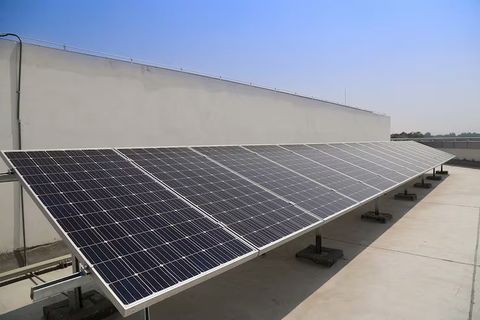
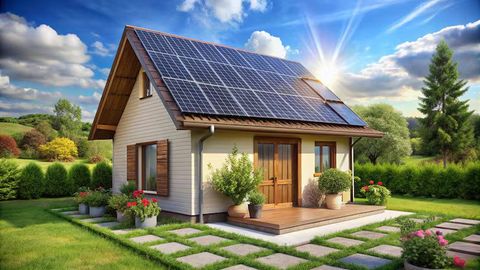
These days, most home battery setups work alongside rooftop solar panels. A full-house power reserve often links up with sunlight-powered electricity generation at a residence.
This setup can:
- Store extra daytime energy
- Support nighttime electricity use
- Improve energy independence
- Reduce grid dependence
Folks who watch their power usage are starting to add solar more often. While sunlight fuels these setups, households see fewer grid ties over time because of them.
Safety Tips for Backup Power Setup
When storms hit, having backup energy means fewer risks. Lights stay on because systems keep running without delay. Power cuts feel less dangerous when supplies switch automatically. Families avoid harm since essentials remain powered. Generators kick in before problems grow large. Protection comes quietly through careful setup behind walls. Warnings fade when electricity flows like normal.
Proper Ventilation
Fumes come out when generators run, so they need open spaces with fresh air flowing around. Fresh airflow keeps things safe while the machine works outside.
Indoor generator use is extremely dangerous.
Professional Electrical Installation
A safe link to the house wiring matters most when setting up backup power. Wrong setup might lead to dangerous sparks or break the devices involved.
Qualified installation helps ensure:
- Correct wiring
- Safe switching
- System compatibility
- Code compliance
Routine Maintenance
Checking emergency systems often helps them work right when needed. Sometimes a quick look keeps things running smooth later on.
Maintenance may include:
- Battery inspections
- Fuel checks
- Engine testing
- Software updates
- Filter replacement
When tested often, the system proves it works right when called on.
What’s Next for Home Power Backup
Fuel demands shift, so backup systems adapt in response. Power solutions transform when requirements do. As conditions alter, emergency setups follow close behind. With every new demand, reserve energy methods adjust just a little more.
Fresh thinking on power use: ahead lies smoother control, where homes adjust reserves without constant oversight. Machines might handle shifts quietly, making sure juice flows just right when needed most.
Battery progress means devices hold power longer without needing extra room. Thanks to smarter designs, households could run on stored energy for days. These units take up almost no space yet deliver steady output over time.
Home power systems start shifting toward sunlight paired with stored backup. Solar panels link up with batteries more often now. These setups handle supply changes without strain. Resilience builds in quietly through daily use. Flexibility becomes normal behind the walls. Stored sun energy rolls into evening hours naturally. Power gaps shrink when clouds pass by. Systems adapt without needing outside help. More roofs take part each season. Quiet shifts add up across neighborhoods.
Later on, certain backup setups might respond directly to grid signals. These changes could allow households to balance electricity use without extra effort. Instead of waiting passively, they adjust timing based on supply availability.
Final Thoughts
Most people cannot do without steady electric current these days. When lights go off, homes with spare energy setups keep running things that matter - warmth stays on, messages get through, danger feels farther away.
Powering a home during an outage now means choosing among portables, automatic units that kick in when lights go out, or full-home battery setups. One fits better if storms hit often; another makes sense where electricity cuts are short but frequent.