Solar energy has become a reliable and widely used power source across homes and industries. But one question often comes up: how long do solar panels last, and what happens to their performance over time?
How Long Do Solar Panels Last?
Year by year, sunlight turns into power a little less efficiently because panels slowly lose strength. This happens naturally, like paint fading under sunbeams. Most systems drop output just a bit each time the calendar resets. Knowing that shift helps plan better for future needs. Instead of guessing, look at patterns across seasons. Small changes add up, yet performance stays reliable much longer than many expect. Clarity comes from watching real results over months. Learning these shifts means smarter choices later on.
Years tick by, yet solar panels keep ticking along. Built tough, many deliver solid performance for three decades or longer. Just because time passes does not kill their power - output fades slow. Efficiency dips, sure, but quits? Not quite.
Over months, their output begins to slip, bit by bit.
Key idea:
- Sun-powered panels usually keep working without surprise breakdowns
- They gradually produce less energy each year
- This drop goes by another name - degradation
Solar Panel Degradation Explained Simply
Each year, a solar panel loses some ability to produce power. That drop in performance shows up as a small number counting down its strength over time.
Average degradation rate:
- A third of a percent, maybe slightly more, now and then less - each year drifts between those marks
What this means:
- One year passes. Efficiency sits near total - just a fraction shy of perfect performance
- Almost a decade later: still running at about 92 to 97 percent effectiveness
- Two and a half decades later: performance holds between 80 and 88 percent. Efficiency sticks around that range, give or take
Some systems lose a little efficiency right away during their first year. This small change often happens early on when materials settle into regular use
- Usually around 1–2%
Years 2–25
Stable and gradual decline
- Around 0.3%–0.8% annually
After 25 years
Panels still work
Some days bring less than before. Around eighty percent might show up instead. A bit fades away without warning. Slight drops happen now and then. Not everything stays full strength. Expect shifts like these once in a while
Some systems lose a little efficiency right away during their first year. This small change often happens early on when materials settle into regular use
- Usually around 1–2%
Years 2–25
Stable and gradual decline
- Around 0.3%–0.8% annually
After 25 years
Panels still work
Some days bring less than before. Around eighty percent might show up instead. A bit fades away without warning. Slight drops happen now and then. Not everything stays full strength. Expect shifts like these once in a while
Most star systems go through this gradual drop naturally.
How Solar Panel Efficiency Changes Over Time
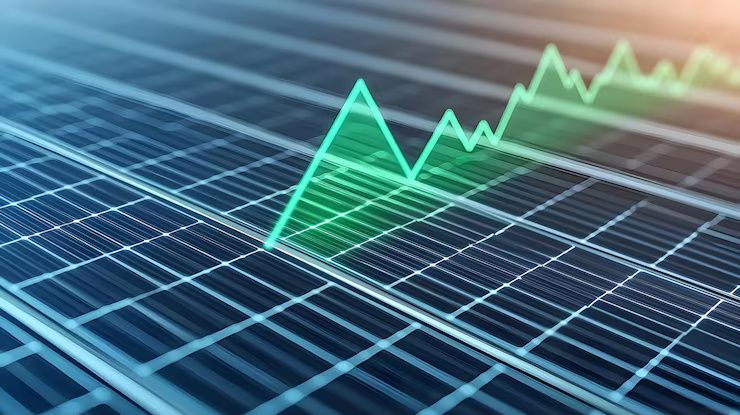
Year-by-year efficiency trend
Important insight:
Years go by, yet solar panels keep delivering power. Their output drops a bit over time - nothing more.
What Impacts How Long Solar Panels Last
Some panels wear out faster than others. What affects their life span and power output varies from one setup to another.
1. Weather Conditions
- When it gets too hot, things work less effectively
Mud splashes, windblown grit, then sudden gales test how long things last. Rain soaks in, dirt piles up, yet strong materials hold through the mess. When weather turns fierce, only tough builds survive the grind
2. Installation Quality
- Proper mounting ensures stability
- Poor installation may lead to faster wear
3. Panel Quality
- Over time, better panels break down at a slower pace
- Manufacturing standards matter
4. Environmental Exposure
- Dust and pollution can block sunlight
Where oceans sit close, salt sneaks into the air. It eats at metal over time. Things rust faster near shorelines. Moisture carries it inland a bit. Old pipes feel the damage first
5. Usage Patterns
- Consistent exposure to sunlight helps maintain performance
- Some parts of tinted solar units could wear down at different speeds
Signs Your Solar Panels Are Wearing Out
Most folks miss the drop in panel performance at first. Yet clues do show up - flickering output, sluggish response on cloudy days, odd readings during peak sunlight
- Lower energy output than usual
- Visible discoloration or yellowing
- Microcracks on the surface
- Delamination (layers separating)
- Hot spots or uneven heating
Solar Panel Care Tips
- Clean panels regularly
- Remove dust, dirt, and debris
- Use soft water and a gentle cloth
- Inspect for damage
- Check for cracks or loose connections
- Look for shading issues
Pick up clutter close by. Nearby branches? Cut them back
- Avoid obstruction from buildings or objects
Keep an eye on how the system runs. Over days, watch the power it sends out
- Watch for sharp declines right away
Every now and then, have someone check it. A trained eye makes sure all parts run right
- Clean panels regularly
- Remove dust, dirt, and debris
- Use soft water and a gentle cloth
- Inspect for damage
- Check for cracks or loose connections
- Look for shading issues
Pick up clutter close by. Nearby branches? Cut them back
- Avoid obstruction from buildings or objects
Keep an eye on how the system runs. Over days, watch the power it sends out
- Watch for sharp declines right away
Every now and then, have someone check it. A trained eye makes sure all parts run right
Checking the system now and then catches problems before they grow. Early signs show up when you pay attention over time.
Solar Panel Care for Lasting Use
A well-kept system slows wear, helping it last longer. Maintenance done right means less breakdown over time.
Simple maintenance tips:
Myths People Believe About How Long Solar Panels Last
Some folks think solar panels just quit after two decades. Yet they keep going - just slower. Not dead, merely less strong. After twenty-five years? Still humming along, producing power. Age bends their output down. It does not slam it shut
Most of the time they still run, although slower than before. Efficiency drops, yet operation stays intact. Not fast anymore, but not stopped either.
Myth 2 Degradation Happens Quickly
Truth be told, it drags along without surprises.
Myth 3 Maintenance Is Complicated
Most of the time, just a quick clean and some simple inspections do the job.
Not every panel breaks down like the others
Out here, how things are made really matters. The surroundings shape everything else that follows. A place changes what grows inside it.
Reducing Solar Panel Wear Over Time
Though things wear out over time, careful habits make a difference. A little attention goes far when it comes to lasting longer. Each small choice adds up in surprising ways. Slowing decline isn’t magic - just consistent effort done quietly. What matters most shows up later, often when least expected.
Effective solutions:
- Choose high-quality panels
- Ensure proper installation
- Maintain regular cleaning routine
- Avoid physical damage
- Use monitoring systems to track performance
These steps help maintain better efficiency over time.
Why Solar Panels Last Long Enough
Over time, though they lose some efficiency, solar panels still deliver reliable power for years. Despite slow wear, their ability to generate electricity holds up well across decades.
Key benefits over time:
- Consistent energy generation
- Predictable performance decline
- Low ongoing maintenance needs
- Long operational life
Over time, the material breaks down so gradually that usefulness stretches far into the future. A single unit can remain effective many years beyond initial setup. Little by little, change happens - yet performance holds steady across decades. Long after installation, output remains meaningful simply because decay takes its time. What results is lasting function, quietly supported by nature's pace.
Early Versus Late Performance Comparison
| Time Period | Efficiency Level | Performance Insight |
|---|---|---|
| Year 1 | ~98–99% | Initial adjustment |
| Year 10 | ~92–97% | Stable output |
| Year 20 | ~85–90% | Slight decline |
| Year 25+ | ~80–85% | Still functional |
Most of the time, it keeps working well. Performance stays solid through its years. Long stretches show little drop-off. Years pass without much change in how it runs.
Signs That Might Worry You?
Things tend to slow down over time. Still, some moments call for a closer look
- Sudden drop in energy output
- Visible panel damage
- System not producing expected energy
When these happen, look into what's behind them.
Longer Lasting Solar Panels with Better Weather Resistance
Better each year, solar tech now offers panels that hold up far better over time. Lasting much longer, today's versions break down at a slower pace.
Emerging improvements:
- Better materials and coatings
- Improved resistance to heat and weather
- Advanced manufacturing techniques
- Higher efficiency retention over time
Beyond what we once thought possible, panels now last longer thanks to new tech. Solar cells endure more years when built with today's smarter methods.
Final Thoughts
Most people wonder if solar panels fade fast. Truth is, they stick around much longer than expected. A slow drop in power happens year by year. Not a sudden crash. Some still work strong after decades. Age does tug performance down, bit by bit. Knowing this keeps hopes grounded. Shiny new output won’t last forever. But decline? It crawls. Panels endure more than most assume. Reality checks help avoid disappointment later.
Years pass, yet solar panels keep working. Though their efficiency dips slowly over time, they still deliver power reliably long after installation.
Years of solid performance start with basic upkeep done right. A little attention now keeps everything running smooth later on. When handled well, the whole setup just works - no surprises.