Electric vehicles are no longer just a cleaner way to travel. They are becoming an important part of modern energy systems. One of the most exciting innovations in this space is Vehicle-to-Grid technology, commonly known as V2G.
Backwards flow happens too when EVs give power to the network. Charging comes from the grid, yet machines like cars can feed energy into it. This setup links transportation with power supply in two directions.
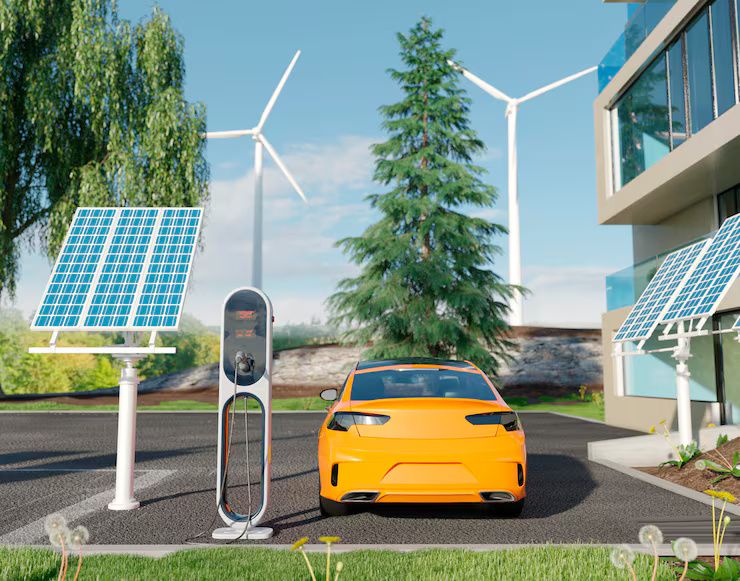
Most times, charging an electric car moves energy just one way. Power travels from the electrical network straight into the car's storage unit. But when using vehicle-to-grid tech, flow shifts both ways. Stored juice in the car’s pack gets saved up when usage is quiet. Later, that same stored charge rolls back out when need spikes high.
Your electric vehicle can act like a battery for a while, hooked up to the intelligent power network.
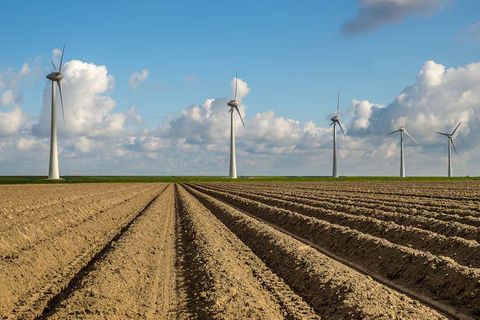
When the sun shines or winds blow, power comes in waves. That uneven flow fits well with this idea. Instead of steady streams, output jumps up then drops down. This setup handles those shifts without forcing changes. Power peaks fade fast; still, supply stays aligned. Even when gusts stop or clouds cover, the system adapts quietly. Fluctuations lose their edge here.
How V2G Technology Works
Working together, multiple high-tech components make vehicle-to-grid setups function properly.
Bidirectional Charging
Electricity flows two ways through a unique kind of EV charger - this setup makes V2G possible. Standard units only send power one way, but these reverse the flow when needed.
Later at night, the car fills up on power like usual. When the city needs more juice, a bit of what's saved inside the EV slips out to help feed the system.
Smart Grid Communication
Electricity flow gets watched nonstop by smart grid programs. Prices shift under their watchful eye. Conditions on the network? Always checked. Demand levels update in real time, never pausing.
At times, charging begins without any manual input. When needed, power flows out just as quietly, balancing supply behind the scenes.
Energy Management Platforms
Out on the grid, smart software lines up huge groups of plugged-in EVs. Instead of guessing, it studies how electricity flows through each car over time. By spotting trends, the system shifts charging loads - keeping batteries ready while trips stay uninterrupted. Even under pressure, daily commutes hardly notice a thing.
Smart computers now help these systems guess power needs better. Some tools learn patterns over time instead of just reacting. Machines spot trends before they happen, adjusting how much energy gets used. This kind of thinking ahead makes everything run smoother without extra waste. Learning from past behavior changes how future demands are met.
How V2G Technology Changes Energy Use
Vehicle-to-Grid technology offers several important advantages for both energy providers and EV owners.
Improved Grid Stability
Later at night, fewer people use electricity. When many start using appliances around the same time, the grid feels the push.
When electricity needs spike, V2G setups send back reserved power to balance supply. Because of this, older generating stations face less strain throughout the network. Better stability emerges across the system as a result.
Better Renewable Energy Integration
Sunlight fades, yet power still flows. When breezes drop, machines stand idle. Energy shifts by daylight, not demand.
Later on, V2G steps in once supply from renewables dips. It holds onto extra power till it's needed. When generation slows, stored energy flows back out. This balance happens because the system gives back what was saved earlier. Instead of waste, there’s reuse - timing makes the difference.
Built-in efficiency helps cut reliance on coal and oil by boosting clean energy use. Cleaner grids emerge when backup needs shrink through smarter design.
Reduced Energy Waste
Most places lose extra power made when demand is low.
This extra power finds a home in V2G-capable electric cars, kept rather than lost.
Smart City Support
Out there, where streets hum with data, power flows through networks that talk to each other. Instead of just drawing electricity, cars plug in and give energy back when it matters most. This shift lets cities breathe easier, balancing supply without extra plants. Even traffic lights start working better when batteries in garages pitch in during busy hours.
Vehicle to Grid System Parts
Several technologies make V2G operations possible.
Electric Vehicles
Some electric cars can’t send power back yet. Vehicles that do need unique software plus advanced battery controls built in.
Bidirectional EV Chargers
From the car to the power network, these upgraded chargers manage how electricity moves. Power shifts back and forth under careful direction by each station's smart system. Electricity does not just charge - it also feeds into the grid when needed. Each unit handles timing and volume based on demand nearby. Control happens in real time, shaped by usage patterns across homes and roads.
Charging speeds keep getting better because new methods are fine-tuning how power flows into batteries. Efficiency gains come not just from hardware tweaks but through smarter energy management over time. Performance climbs when systems adapt on the fly instead of sticking to old patterns.
Smart Grid Infrastructure
Out there, today’s power networks rely on sensor tech along with cloud systems - data gets checked instantly so energy flows without waste. Efficient control shows up when live analytics join the mix, guiding how electricity moves across regions.
Energy Aggregators
From many electric cars, stored energy gets pulled together by aggregators into a single flexible supply. Utilities then tap into fleets of linked vehicles, treating them like backup stations when needed.
Barriers to Vehicle Grid Integration
Even so, V2G tech brings promise alongside lingering hurdles. Yet it moves forward despite tough spots along the way. Still, real-world use hits snags that slow progress down. However, benefits show up even when problems remain unsolved. Though new, the system faces bumps instead of smooth paths ahead.
Battery Degradation Concerns
Worry creeps in for some electric car drivers when they think about pushing energy into the grid. Backfeeding electricity might take a toll on their batteries over time.
Though studies suggest managed charge routines might not harm devices much over time, keeping track of power cell condition still matters. What happens inside the battery during repeated fills could influence performance later, even if changes seem small at first glance. How often it charges, where it stops, and how heat builds up play roles most people overlook. Yet signs point to consistent patterns making a difference down the road. Even tiny shifts today might add up without warning.
Infrastructure Development
Out here, plenty of places haven’t seen much in the way of smart chargers yet. Because of that, growing two-way charging means putting money into power setups alongside updates to the electrical backbone. While some areas wait, others begin shifting - energy grids must evolve just as fast as vehicle tech does.
Regulatory and Policy Challenges
One country might set rules one way, yet another takes a different path. Getting everyone on the same page about vehicle-to-grid systems? Not so simple - officials and power companies often struggle to agree.
Consumer Awareness
Most people behind the wheel don’t yet know how V2G works. Because of this, learning through clear information could shape what comes next. Yet understanding grows when details land plainly.
V2G in Renewable Energy Systems
Vehicle-to-Grid technology is becoming increasingly important as renewable energy usage expands.
When sunlight fades or winds slow, power output dips unpredictably. Still, stored energy steps in to fill the gaps when needed.
When plugged into a V2G network, electric cars store energy across many locations. Because of this setup, power systems lean less on traditional plants and shift toward greener options.
One way some experts see it - tomorrow’s electric car batteries might team up to act like a citywide power bank when electricity needs spike. Instead of sitting idle, these linked units could kick in during busy times, balancing loads across neighborhoods without extra plants firing up. It’s not about replacing grids but backing them when stress hits hardest.
Vehicle to Grid Tech What Comes Next
With more people switching to electric cars, V2G tech might soon play a bigger role. Though still early days, its path ahead seems full of potential simply because demand keeps rising.
Smart Charging Networks Grow
These days, power companies plus public authorities pour resources into upgraded charging networks along with responsive electrical grids. Smart setups help manage supply while handling rising demand smoothly behind the scenes.
AI-Based Energy Optimization
Faster decisions on when to charge come from smart systems learning patterns over time. Electricity needs get guessed right more often because machines notice what people do. Battery life stretches further when adjustments happen without waiting. Efficiency climbs as hidden habits in data shape how power flows.
Connecting To Home Power Setup
One step ahead, tomorrow's V2G setups could link straight to rooftop solar arrays alongside household power banks. Home control networks might plug into the mix, tied in through seamless updates. Power flow won’t just move one way - cars may feed back when sunlight charges the roof. Automation layers could adjust usage while vehicles sit parked. Integration sneaks in quietly, reshaping how energy moves at ground level.
Homeowners might find it easier to keep track of how much power their home uses. With this setup, handling daily electricity needs becomes simpler. It gives people a clearer view of when devices draw energy. Some may even notice patterns they never saw before. Over time, small changes can add up without extra effort.
Growth of Virtual Power Plants
Out there, virtual power plants link up scattered energy sources under one smart system. When EVs plug into vehicle-to-grid networks, they could play big roles inside those setups.
Interest Grows Worldwide in Vehicle to Grid Systems
Countries around the world are actively exploring Vehicle-to-Grid programs.
Out front, places pushing hard on EVs and green power goals drive most of the test runs and studies now. Not far behind, car makers, grid operators, and tech outfits pour resources into refining how vehicles send electricity back to the network.
When batteries get better while charging stations spread, V2G might slot into tomorrow’s power grids without fuss. Though small now, it rides the shift toward smarter electricity flow, quietly fitting where demand flexes and supply adapts. With time, such systems may blend into daily energy use, not as novelty but routine - responding when homes draw less, feeding back just enough.
Conclusion
Vehicle-to-Grid technology represents an important step toward smarter and more sustainable energy systems.
Electricity flows both ways when cars plug into the power network. This shift opens paths for cleaner energy use. Stability grows as vehicles lend unused power back during peak times. Efficiency climbs without demanding new infrastructure. Renewables gain a partner in timing supply with demand.
Even with hurdles in place, progress doesn’t stop. New ideas in how cars charge are moving fast. Battery tech keeps shifting underfoot. Power systems tied to cleaner sources evolve daily. Each step forward pulls the next along.