Living away from the traditional power grid has become a growing lifestyle choice for people who want greater energy independence and long-term sustainability. An efficient off grid energy system can provide electricity for lighting, appliances, water systems, communication devices, and many everyday needs without relying on utility power lines.
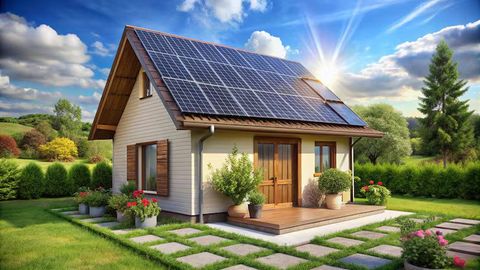
A single building powers itself when it runs on an off grid energy system. Instead of connecting to a larger network, it makes every bit of its electricity right where it stands. Homes without utility ties must store what they generate because there is no backup supply nearby. Their lights stay on only if the batteries hold enough charge through each night.
These systems are commonly used in:
- Remote cabins
- Rural homes
- Tiny houses
- Mountain properties
- Eco-friendly living projects
- Emergency backup locations
What matters most is building something steady - a setup that generates power when the sun's out, yet saves surplus for hours without light or on dull days.
Main Parts of an Off Grid Power System
Working well off the grid means different pieces must connect smoothly. Efficiency often comes from how these parts support one another behind the scenes. Each element plays a role, yet none stand alone completely. Smooth operation hides in the balance between them. What matters most is how they keep pace without outside help.
Solar Panels
Beside rooftops, solar panels power plenty of remote households. When sun hits them, light becomes usable current inside wires.
Benefits of solar panels include:
- Renewable energy production
- Quiet operation
- Low maintenance
- Long operational lifespan
- Suitable for many climates
How many panels you need changes based on how much power is used each day. Sunlight levels play a role too, especially when skies shift often. Weather patterns matter just as much as exposure during daylight hours.
Solar Charge Controller
From solar panels, a charge controller manages power headed to the battery bank. It keeps batteries safe by preventing too much charging or draining too far.
One type shows up often. Another appears just as much.
PWM Controllers
- Simpler design
- Suitable for smaller systems
- Lower efficiency compared to MPPT
MPPT Controllers
- Higher efficiency
- Brighter light helps it work well, yet dimmer conditions still keep things moving. Sun high or low, speed stays steady through shifting rays
- Common in modern off grid power solutions
Solar Battery Storage for Off Grid Homes
Later on, when the sun goes down, power still needs to come from somewhere. That job often falls to batteries. These units hold onto extra electricity made while the light lasts. Without them, much of that daytime output would go to waste. Storing it means having juice available after production stops.
Popular battery types include:
Lithium-Ion Batteries
- High efficiency
- Longer lifespan
- Faster charging
- Lower maintenance
Lead-Acid Batteries
- Widely used
- Getting started takes fewer steps at first
- Reliable for basic systems
A typical way to size up a battery? Look at its kilowatt-hour rating. When more people live under one roof, the need for stored power climbs - so bigger homes often tap into higher-capacity systems just to keep lights on without hiccups.
Power Inverter
Out of sunlight comes raw energy, captured by panels as a steady stream. That flow gets stored in batteries, still moving one way only. Household machines expect their juice to rhythmically switch direction. So a small box steps in, flipping the current's path repeatedly each second. This shift makes solar energy fit what homes need.
One type of inverter shows up often. Another does too, just different in how it works:
- Pure sine wave inverters
- Modified sine wave inverters
Most people pick pure sine wave units since these deliver cleaner power to gadgets and machines.
Backup Power Source
When sun exposure drops, some standalone systems switch to backup sources. A few rely on alternate inputs when solar output fades. Others pull from stored reserves during cloudy stretches. Several depend on extra generation if light runs low. Some setups activate different supplies under weak daylight.
Common backup systems include:
- Wind turbines
- Micro-hydro systems
- Fuel-powered generators
- Hybrid renewable systems
When skies shift with the months, a secondary supply keeps power steady.
Estimating Daily Energy Needs
Figuring out how much power you use each day should come first when planning a system that runs without the grid. Not knowing this number might lead to poor choices later on.
Start by listing essential devices and appliances:
- Appliance Estimated Daily Usage
- LED lights 4 to 6 hours
- Refrigerator Continuous
- Laptop 3 to 5 hours
- Water pump Variable
- Fans 4 to 8 hours
- Wi Fi router Continuous
After that, figure out how many watt-hours get used daily.
For example:
- 100W appliance used for 5 hours
- 100 × 5 = 500Wh daily usage
This process helps figure out:
- Solar panel size
- Battery storage requirements
- Inverter capacity
Accurate planning improves reliability and prevents energy shortages.
Selecting Where to Place Solar Panels
Where solar panels sit changes how much power they make.
Ideal Installation Conditions
Panels perform best when they:
- Receive direct sunlight
- Turn so you’re pointing the right way
- Avoid shading from trees or buildings
- Have proper airflow for cooling
Just a tiny shadow might lower how well the whole setup works.
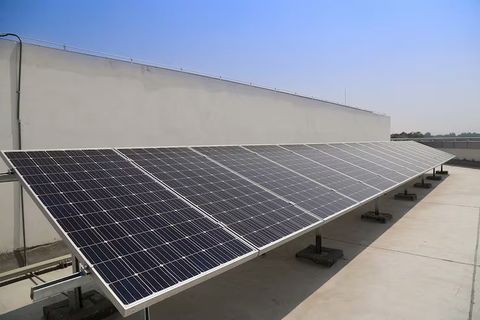
Rooftop Solar Compared to Ground Installed
Roof Mount Advantages
- Saves ground space
- Easier cable routing
- Common for residential properties
Ground Mount Advantages
- Easier maintenance access
- Flexible positioning
- Better angle adjustment options
What works well changes with how the building sits and where light hits.
Energy Efficiency Matters in Off Grid Homes
Off-grid life works better when power is used wisely. Smaller needs mean simpler setups, because less energy adds up to fewer parts.
Useful Energy-Saving Strategies
Use LED Lighting
A single LED bulb pulls far less electricity when compared to old-style lights. Power draw drops noticeably once you switch over.
Choose Efficient Appliances
Older fridges guzzle power, yet newer ones sip it slowly. Some fans spin using barely any juice at all. Washing machines now finish cycles without draining the meter. Less draw means fewer demands on the grid. Efficiency stacks up quietly behind everyday choices.
Improve Insulation
When walls trap heat well, rooms stay warm without extra effort.
Monitor Energy Usage
These days, spotting wasted energy gets easier with smart tracking tools.
Some homes that use energy wisely might need just a few solar panels along with compact storage batteries.
Weather and Seasons Affect Travel Plans
Sunlight changes shift how much power panels make. When skies turn gray, output drops fast.
Cloudy Conditions
Even when skies are gray, solar panels keep generating power - just less of it. Cloud cover means fewer rays reach the cells, so production dips without bright sun.
When skies stay gray for days, storing power matters more than ever.
Seasonal Sunlight Changes
When days get shorter, light fades faster. A smart setup keeps power steady even in cold stretches.
Some systems built for remote locations add extra panels just to handle shorter winter days. Though sunlight changes through the year, these setups keep running by planning ahead months in advance. Not every region gets equal sunshine, so builders often include a buffer of solar strength where needed. When storms linger or skies stay gray, that added capacity helps avoid blackouts unexpectedly.
Water and Heating Systems Designed for Off-Grid Homes
Fuel for lights and devices matters, yet it is just a slice of life without connections. Getting water plus warming it means thinking far ahead.
Water Systems
Common off-grid water solutions include:
- Rainwater harvesting
- Wells
- Gravity-fed systems
- Water filtration systems
Water pumps may require dedicated energy planning.
Heating Options
Fuel bills climb when warmth takes up most home power. A big share of electricity goes just to keep rooms hot.
Popular solutions include:
- Wood stoves
- Solar water heaters
- Propane heating systems
- Passive solar heating design
A shift toward cleaner power sources reshapes how homes stay warm. When modern heating systems tap into green energy, comfort settles in without excess strain on resources.
Smart Monitoring and Energy Management
Most newer standalone setups come with gadgets watching how things run:
- Battery levels
- Solar production
- Appliance usage
- Energy consumption trends
Homeowners get a clearer picture of daily power habits because these tools track usage patterns. By showing when energy spikes happen, they make it easier to adjust routines without guessing. Each detail adds up, revealing where change might matter most.
Mobile apps can tap into certain high-end systems for distant oversight. Remote checks happen when devices link up with select modern installations.
Living Off Grid Problems
Living away from the grid means freedom, yet demands effort. Still, self-reliance isn’t free of daily tasks. Though power runs on sunlight, life runs on routine. Without city utilities, chores shift shape. Even peace has its price in labor. Freedom? It shows up in work gloves.
Energy Awareness
Off-grid life tends to shine a light on how much power gets used each day.
When several strong devices run at once, the setup can struggle to keep up.
Weather Dependence
When skies stay dark for days, solar panels produce less. Power from wind turbines drops if winds calm down.
Maintenance Needs
Even when things work well, checking them now and then keeps trouble away.
Regular checks may include:
- Cleaning solar panels
- Inspecting battery performance
- Monitoring inverter operation
- Checking cable connections
Over time, regular upkeep tends to make systems work better. A machine checked often usually runs without issues later on.
Hybrid Off Grid Power Solutions
Some homeowners combine multiple renewable energy sources to improve stability.
Solar and Wind Combined
When nights bring gusts, wind power steps up where sunlight fades. Some regions see breezes pick up just as solar output drops. Instead of relying on one source, shifting patterns allow another to fill gaps. Nighttime airflow often matches well with lulls in sunshine. Places with steady evening winds gain more balance across their supply.
Solar and Hydro Systems
Pouring streams keep some tiny power setups running nonstop. Water movement feeds these little generators day and night.
Some setups mix methods so sunshine alone isn’t the only factor.
Off Grid Energy Future Shifts
New ways to live without the grid keep getting better, thanks to steady progress in tools and systems.
Emerging trends include:
- Smarter battery management systems
- Higher-efficiency solar panels
- Compact energy storage units
- Advanced home automation
- Improved renewable energy integration
Families everywhere now find it easier to live without the grid, thanks to simpler designs that save time plus energy. A growing number rely on these updates because daily tasks take less effort while working better at home.
Final Thoughts
Start with clear goals if you want a solid off-grid power plan. Solar panels feed into stored reserves, while smart devices keep demand low. When sunlight fades, alternate sources step in without drama. Success hides in details like usage habits plus careful gear choices. Year-round stability comes not from size but how pieces work together.
Out here, away from the main lines, today’s setups work smoother and last longer compared to older models. When planned well and managed smartly, a standalone system keeps lights on and devices running without leaning on old power grids.