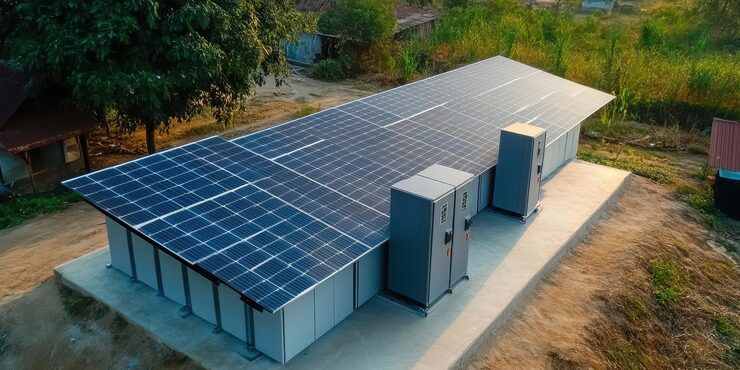
As electricity needs continue to grow, many homes and businesses are exploring smarter ways to manage power usage. One option gaining attention is the on grid solar system with battery backup, often called a hybrid solar system.
Most homes using solar power stay tied to the main electric network. Yet here, batteries join in - giving backup when sunlight fades. Power made during the day does not vanish; instead it gets saved nearby. When clouds roll in or night falls, the stored juice steps up. Connection to the grid remains, just in case. Extra production feeds into the wider system too. This mix brings balance - a quiet swap between self-use and outside supply.
When sunlight hits the panels, power flows straight into your home. Stored surplus slips quietly into batteries instead of vanishing. Nighttime needs? The grid steps in without fuss. Mixing these paths keeps lights on, bills steady. Smooth shifts between sun, storage, and supply shape smarter daily use.
A hybrid solar system is a solar setup that works with both:
- Solar panels
- Battery storage
- Utility grid connection
When sunlight fades, the hybrid system taps into backup reserves instead of relying solely on outside sources. Extra juice gets tucked away in storage units rather than vanishing into distant lines. Clouds rolling in won’t shut things down - there’s power waiting inside. Evening hours stay lit without reaching outward. Even if service stumbles briefly, operations keep moving.
Electricity moves through different parts thanks to a special device called a hybrid solar inverter. This unit handles power coming from rooftop panels, going into storage units, feeding home devices, while also connecting to outside energy networks.
On Grid Solar With Battery Backup How It Works?
A mix of parts links together, doing their jobs in step. Each piece plays its role while relying on others nearby.
Solar Panels Produce Electric Power
When the sun is up, light hits solar panels, turning it into power through them.
Electricity Powers the Home
Power made at home runs lights, fridges, or computers before anything else happens.
Extra Energy Charges the Battery
When sunlight fuels the panels beyond immediate needs, surplus energy flows into stored reserves.
Excess Power Flows to Grid
After the battery reaches full charge, leftover power might move into the main electrical network.
Battery Delivers Power When Needed
When darkness falls or light runs short, power flows from the battery into the house. Nighttime needs met by saved energy feeding rooms when sun slips away.
Grid Supports When Needed
When sunlight runs short and stored power dips, the house quietly pulls energy from the main supply. Power flows in without a signal because backup sources fade at once. As panels slow plus reserves drain, outside lines keep lights on behind the scenes.
Most homes need steady power, so having a backup helps when sunlight runs low. The moment panels stop producing enough, stored energy takes over without delay. Smooth shifts like these keep lights on during cloudy spells. Power flows where it is needed most, thanks to automatic routing. When the sun returns, charging begins again without any manual steps. This kind of setup fits well with how people actually use electricity today.
Main Parts of a Hybrid Solar Setup
Working together are key pieces in a hybrid arrangement.
Solar Panels
Out there under the sun, solar panels grab light to make power. From that point on, energy flows without needing fuel or moving parts.
Hybrid Solar Inverter
The hybrid solar inverter is the central control unit. It manages:
- Solar energy conversion
- Battery charging
- Grid interaction
- Power distribution
Electricity moves where it's needed most, guided by real-time signals. When demand shifts, the system adjusts without hesitation. Power flows here or there depending on what's happening right now. Decisions happen automatically, shaped by how things stand at each moment.
Solar Battery Storage System
Later on, extra power gets held by the solar battery setup. It keeps what you do not need right now.
Common battery types include:
- Lithium-ion batteries
- Lead-acid batteries
- Lithium iron phosphate batteries
Modern lithium batteries are widely preferred because they offer:
- Longer lifespan
- Faster charging
- Better efficiency
- Lower maintenance
Utility Grid Connection
When sunlight runs low or batteries drain, power flows in from the grid. Sometimes extra energy arrives through external links if on-site supply falls short. From time to time, outside sources step in once local generation dips below demand.
Monitoring System
Some hybrid setups come with tracking tools showing performance through screens. A few use software letting owners check energy flow day by day. Others show output live using small monitors built into the system. Certain models give updates via phone-linked programs watching activity. Several rely on visual panels displaying current levels at a glance. A handful send data straight to tablets for easier review over time.
- Solar generation
- Battery status
- Energy consumption
- Grid usage
Hybrid Solar System Advantages
Hybrid solar systems provide several practical advantages for households and commercial buildings.
Better Energy Reliability
When the main power cuts out for a short time, having a solar setup tied to the grid - but also storing energy in batteries - helps keep things running. Power does not drop off as much because stored electricity steps in right away. Even though it pulls from the utility most of the time, the backup storage makes pauses less disruptive. This kind of arrangement fills gaps without needing total independence from the grid. Electricity flows more steadily when storms or glitches hit nearby lines.
When power from the grid goes off, stored energy in batteries supports critical equipment. Sometimes a backup supply means lights stay on while everything else fails. Essential gadgets continue working because of reserved charge held earlier. Without outside electricity, what remains inside the unit becomes vital. Devices that must run find help through silent reserves nearby.
Improved Energy Management
Later on, stored energy becomes available after sunset because batteries hold what solar panels collect during daylight hours.
Energy use becomes more effective this way.
Less Reliance on Power Grid
Using both solar panels and a backup grid connection cuts down how much regular power people need. Instead of depending only on old methods, sunlight runs things whenever it can. This setup grabs energy from the sun first. When clouds block rays, another source steps in quietly. Efficiency climbs because wasted sunshine is rare. The balance shifts naturally between light and stored supply. Power keeps flowing without leaning too hard on one method.
Flexible Power Usage
Hybrid systems can switch automatically between:
- Solar power
- Battery storage
- Grid electricity
Because it adapts easily, electricity keeps flowing without interruption.
Smarter Electricity Usage
Later on, certain high-end setups shift to solar power again after favoring battery supply when energy needs are highest.
Helps Meet Renewable Energy Targets
Sunlight captured today can power homes long after dark. Stored in batteries, it keeps lights on without burning fuel. This shift helps cut down pollution slowly. Energy independence grows when households rely less on distant grids. Quiet systems hum behind walls, doing work unseen. Over time, fewer blackouts surprise neighborhoods unprepared.
Difference Between On Grid and Hybrid Solar Systems
Some folks mix up regular grid-tied setups with hybrid ones. Though each links to the power network, they aren’t the same underneath. Not every detail lines up.
On Grid System vs Hybrid System With Battery Storage Energy Flexibility and Backup Power
When sunlight runs low, stored power steps in - this setup links batteries to the electric grid. Connection meets reserve, so supply stays steady through shifts in weather or demand.
Solar Battery Storage Systems Function
Out here, sunlight gets saved for later by the battery gear in hybrid power arrangements.
Most of the time, solar power made during daylight goes out to the grid if there is no battery. When a home stores it instead, sunlight collected today can run things tonight.
This helps during:
- Evening hours
- Cloudy weather
- Temporary power cuts
- High electricity demand periods
Besides holding power, batteries even out bumps when sunlight changes fast.
Hybrid Solar Inverter Types
Some hybrid inverters change based on what the setup needs.
Starting off, string hybrid inverters link several solar panels at once. Most homes rely on them for power setups. Instead of working solo, each panel joins a group through these devices.
One inverter per solar panel makes up these hybrid systems. When shadows fall unevenly, performance stays stronger. Efficiency gets a boost not seen in standard setups.
Buildings that need lots of power usually rely on three-phase hybrid inverters. These units handle heavy electrical demands better than smaller types. Commercial spaces pick them because they manage big loads without slowing down. Power flow stays steady even when usage spikes during busy hours.
The choice of hybrid solar inverter depends on factors like:
- Energy usage
- System size
- Battery compatibility
- Installation environment
Hybrid Solar Systems for Home Use?
More homes now use hybrid setups since these provide extra options for managing power. Not every house works the same way anymore when it comes to energy choices.
They are especially useful for homes that:
- Experience frequent power interruptions
- Want better energy control
- Use higher electricity during evening hours
- Prefer storing solar energy for later use
Some people who own homes like having solar power but still staying connected to the main electricity network.
Hybrid Solar Systems Used in Businesses
Offices gain too when mixing energy setups.
Sunlight powers many workday tasks when demand peaks early. After dark, stored energy keeps things running - sometimes through surprises too.
Among everyday uses found in business settings are:
- Offices
- Warehouses
- Educational institutions
- Healthcare facilities
- Retail buildings
Myths People Believe About Hybrid Solar Power
Not everything people think about hybrid solar systems is true.
Batteries Operate Beyond Just Power Outages
Besides handling crises, batteries help store power for regular daily use. Still, they do more than just sit around waiting for blackouts. Often, they balance supply during normal routines at home or work. Even so, their role goes beyond backup plans when things go wrong. Instead, they quietly support steady electricity flow every single day.
Hybrid Systems Can Still Connect To The Grid
Even with its own power sources, a hybrid setup leans on the main grid if supply runs short. Sometimes it pulls extra juice from outside lines when demand spikes. When solar or storage dips low, backup flow kicks in from the network. The connection stays active just in case local generation can’t keep up. Grid ties ensure steady operation during weak production phases.
Myth 3 Solar Panels Do Not Always Make Full Power
Solar production changes depending on:
- Sunlight availability
- Weather conditions
- Panel angle
- Seasonal variations
Storing power in batteries makes handling those shifts smoother. Though it seems small, the impact spreads further than expected.
Maintenance of Hybrid Solar Systems
Some mix setups need just a bit of upkeep now and then.
Every now then, wiping down the panels keeps them working well. Grime builds up over time, which slows energy capture. A quick clean every few weeks makes a difference. Dirt sticks after windless days, dulling the surface. Water and a soft brush fix most buildup. Performance dips when grime blocks sunlight - simple maintenance prevents that. Clean glass lets light through without trouble.
Battery Monitoring
Battery health should be checked occasionally to ensure proper charging and storage performance.
Hybrid Solar Inverter Inspection
Check the hybrid solar inverter now and then so it runs well, especially when new software shows up. Sometimes things work better after a quick look inside the system, even if nothing seems wrong at first glance.
Annual Wiring Inspection
Every year, a look inside the system might catch frayed wires before trouble starts. Spotting weak spots now could stop bigger problems later.
Hybrid Solar Tech What Comes Next
Faster changes mark the path of hybrid solar systems now. Still, each step forward brings fresh shifts in how things work.
Recent developments include:
- Smarter energy management software
- Higher-capacity batteries
- Improved inverter efficiency
- Better remote monitoring tools
- Integration with smart home systems
Battery progress means hybrid setups might soon work better, fitting needs more smoothly. Efficiency gains could let them adjust faster than before. New tech may push these systems further into everyday use. Performance tweaks will likely follow advances down the road.
Worldwide, attention turns to solar battery storage as reliance on renewables grows. With nations pushing for power self-reliance, curiosity rises - not just about sunlight harvesting but how to hold that energy when skies dim. More eyes now fix on storing what panels collect during bright hours. This shift doesn’t shout - it settles quietly into homes, grids, backyards. Curiosity spreads without fanfare. As dependence on distant fuel fades, local solutions gain ground. Storage becomes less a gadget, more a quiet partner in daily life.
Final Thoughts
Sunlight feeds the panels while stored energy waits quietly inside batteries, ready when needed. The house pulls from these sources instead of relying only on distant power lines. When clouds block the sun, the local network steps in without delay. This mix keeps lights burning through sudden weather shifts. Power flows where it must, guided by need rather than preference. Each part plays its role without drawing attention.
With a grid-tied solar setup that includes batteries, people save surplus power they generate. This means lights stay on even when the main supply dips. Power flow becomes steadier, less random. Instead of losing unused sunlight harvests, households put it aside for later. Their control over consumption grows sharper. Stored juice kicks in before outages bite hard.
A mix of solar panels, a hybrid inverter, along with sturdy battery storage brings adaptability to homes and businesses alike. While sunlight powers the panels, the inverter manages energy flow - storing excess in batteries when needed. This kind of arrangement handles daily demand shifts without relying on outside sources. Power stays available even when the grid falters. Some setups adjust output based on usage patterns over time. Efficiency improves when components work together smoothly. Locations far from power lines benefit just as much as city buildings. Energy independence grows stronger with each added part.