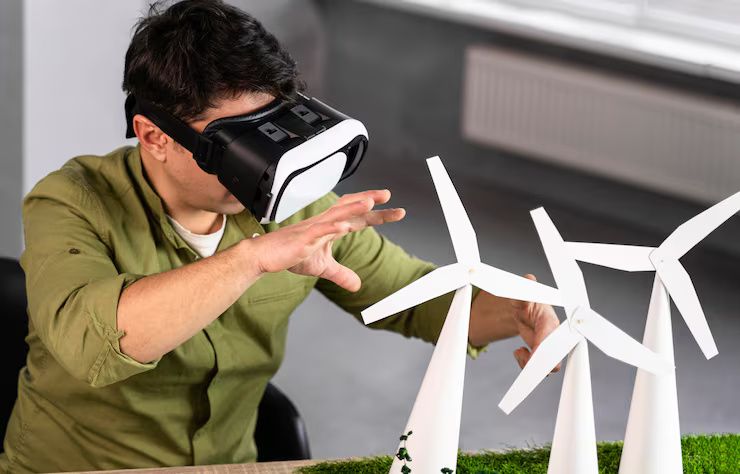
Artificial Intelligence is changing the way the world produces, stores, and manages renewable energy. From solar farms to wind turbines, AI-powered systems are helping energy companies improve efficiency, reduce waste, and make smarter decisions in real time.
AI in Renewable Energy
Renewable energy wants more space on the global stage, pulling tools like machine learning into the spotlight. Not long ago, artificial intelligence felt distant, something stuck in tomorrow's promises. Today it shows up quietly, doing real work behind the scenes of power networks. Predictive analytics slip in next, helping guess what energy flows will do before they move. Automation tags along, making decisions without waiting around. Smart grids act differently too, adjusting themselves as conditions shift. What once sounded like science fiction now fits inside everyday operations.
Smart computers meet clean power, shaping how we manage electricity today. As nations push ahead, so do utilities and tech builders - each backing tools that lift efficiency while honoring Earth targets.
Out of sunshine and breezes comes a problem - nature does not deliver power on schedule. When skies shift or seasons turn, output wobbles without warning. Machines that learn from patterns step in quietly, spotting what humans might miss across oceans of numbers.
Faster forecasts come from smart power setups, using data to guess how much electricity people will need. Weather guesses get sharper when machines learn past trends instead of relying on old models. Distribution tweaks happen on the fly, thanks to live feedback across lines. Less wasted juice means fewer spikes and dips in supply strength. Stability climbs without extra hardware just by shifting flow smarter.
Take machine learning. It digs into old weather records to guess how much power solar panels will make or how well wind turbines will spin. Because of that, people managing electricity can arrange where it goes ahead of time, preventing hiccups. Power flows smoother when surprises fade.
With AI stepping into renewable energy, efforts grow stronger on saving power while cutting carbon emissions at the same time. Smarter systems begin taking shape when technology blends quietly behind the scenes. Infrastructure learns to adapt because new tools help it breathe easier. Efficiency finds a partner where machines watch patterns most overlook.
Smart Grids Keep Getting Smarter
Smart grids are changing how we handle green power more than almost anything else lately. When sunlight fades or winds slow, old systems tend to have a tough time keeping up. Instead of steady output, they face jumps and drops that challenge stability across lines.
Out of nowhere, AI-driven power networks adjust supply based on live data flow. When usage habits show up, responses happen without waiting. Power dips get spotted before they spread. Reliability climbs because the system learns as it goes. Instead of guessing, decisions come from what's actually happening.
Benefits of AI Smart Grids
- AI smart grids improve energy flow and reduce outages
- Better energy distribution efficiency
- Faster detection of technical issues
- Reduced operational waste
- Improved renewable energy integration
- Enhanced energy storage management
Energy flows differently now. Homes trade power with nearby buildings when solar panels produce extra during midday sun. Businesses accept surplus from wind farms on blustery days instead of relying only on central suppliers. Local grids adapt fast because digital signals guide electricity where it is needed most right then.
Facing cleaner power targets, nations may lean more on smart grid systems. These networks could shape how electricity moves worldwide.
Predictive Maintenance Cuts Machine Downtime
Over time, wind turbines might lose peak performance unless checked often. Solar panels work weaker when small problems go unnoticed. Battery setups need consistent attention to keep delivering steady power. Equipment for clean energy keeps running well only with close watch and care.
Out of nowhere, sensors start tracking how machines behave over time. Instead of waiting for breakdowns, workers get alerts when something seems off. Machines whisper warnings through data flows that software learns to read. Before trouble strikes, fixes happen quietly behind the scenes.
Predictive Analytics Shows What Might Happen
Predictive analytics can monitor:
- Temperature fluctuations
- Mechanical wear and tear
- Energy output performance
- Battery efficiency
- Equipment vibration levels
Because it acts early, machines run longer without stopping. When problems get caught fast, equipment lasts years beyond expected. Efficiency grows slowly over time because of fewer delays.
Fueled by AI, predictive maintenance is spreading fast through the energy industry - its strength lies in lifting efficiency while easing environmental impact. Though new, its role feels essential, quietly shaping how systems run and last.
AI Helps Solar Panels Work Better
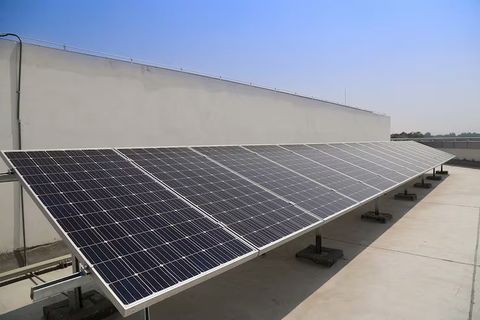
Every day, solar setups produce tons of data on how well they’re working. Because artificial intelligence moves fast, it spots patterns that boost output before problems grow. Efficiency jumps when insights turn into tweaks, not waiting for perfect conditions.
Picture this: smart sensors adjust panel tilt the moment sunbeams shift across fields. When clouds roll in, clever algorithms tweak positioning just enough to catch stray light. These setups often run without human input, inching toward peak output as hours pass.
How AI Helps Solar Power Work Better
- Solar power forecasting
- Automated panel optimization
- Energy consumption analytics
- Battery storage management
- Fault detection systems
When solar panels get grimy or broken, power output drops. Spotting those issues early keeps things running better. Machines can flag trouble without waiting for a person to notice. Alerts pop up the moment something goes off track. This means fixes happen sooner than before. Performance stays closer to peak when problems are caught fast.
Fueled by growing global demand, smart setups for handling sunlight power now matter more than before. Solar use keeps climbing - clever control tech rises with it.
Smarter Wind Energy
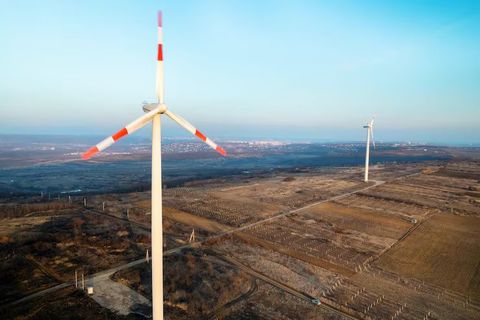
Out of nowhere, AI steps into wind farms - suddenly forecasting gets sharper. Because gusts shift fast, guessing output feels like rolling dice without number crunching up front.
Weather clues get sorted by smart machines that watch how air moves and turbines behave. Because of this, those running things can shift blades just right plus handle power flows smarter. Output guesses grow sharper when past winds join live machine reports. Better predictions come from linking sky trends to what each spinning tower actually does. Decisions about where to point equipment rely on these clear forecasts. Energy gets shared more smoothly once patterns make sense.
AI Trends Shaping Wind Energy
Modern wind energy systems now use:
- Real-time turbine monitoring
- Automated performance optimization
- Drone-based inspections
- Digital twin technology
- AI-powered weather forecasting
A single turbine lives inside computers as lines of code. When storms approach, its digital copy faces gusts first - testing responses before reality does. Changes tested there shape how crews prepare in the real world. Mistakes happen safely, far from spinning blades.
Fresh winds blow through turbines as smart systems quietly spot trouble before it grows. These clever tools keep power flowing steady when nature acts unpredictable.
Energy Storage Efficiency Improves Over Time
Besides sunlight fading at dusk, wind dying down overnight, stored power keeps things running when nature slows. When solar panels stop catching rays, backup energy steps in without delay. Because turbines spin only so long as breezes blow, having reserves makes all the difference. Even if clouds roll in midday, electricity still flows thanks to hidden banks of juice. Without steady winds or bright skies, what fills the gap? Stored electrons wait quietly until called upon.
When artificial intelligence steps in, battery charge and release timing gets smarter through shifts in energy flow. Efficiency climbs as stored power stays better aligned with actual need, while wasted output slips away.
Battery wear might slow down when smart software spots early signs of aging. Changes in how you use it could come up through alerts that suggest better habits. A system learning your pattern may hint at what to tweak over time. Longevity sometimes follows where predictions guide daily choices.
Energy storage needs smarter solutions now that nations are building more power networks tied to clean sources. While solar and wind grow, fitting them smoothly into grids demands better ways to hold onto electricity. As cities shift toward electrified systems, managing stored power efficiently turns critical. Without smart handling, surplus energy can go unused. Upgraded storage control helps balance supply when demand shifts suddenly. With renewables expanding fast, getting the most from batteries becomes essential. Keeping lights on during cloudy or calm days means planning how energy flows ahead of time.
Important Trends Shaping the Future
Several major trends are driving the future of AI in renewable energy.
More Ways Machines Learn
These days, machine learning systems keep getting sharper at predicting tricky energy patterns. One step further - today’s algorithms tackle detailed forecasts with surprising ease.
Growth of Energy Automation
Machines running on clean power now handle tasks once done by people, boosting precision. What changes is how little we need to step in - errors drop when software takes charge.
Increase in Funding for Cleaner Tech
More cash flows into smart energy tech as officials and firms back artificial intelligence tools. Machines learn to cut waste while leaders push cleaner power options quietly. Some bet on algorithms to balance grids before blackouts strike without warning. Others watch data shape new ways to save fuel across cities slowly.
Smarter Energy Consumption
Folks at home, along with companies, now track how much power they use thanks to smart systems shaped by artificial intelligence. These tools make it easier to see patterns without guesswork getting in the way.
From rooftop solar panels to smarter grids, new tech shapes how cities cut waste. Efficiency climbs when outdated systems give way to cleaner options.
Smarter Ways to Manage Renewable Energy
Some groups aiming to boost their green power results find help through smart tech methods centered on artificial intelligence.
Real Time Energy Tracking
Right now, watching how things run can spot problems fast - making choices clearer because delays shrink when you see what's happening. What slips through cracks becomes obvious before it grows, so adjustments happen sooner rather than later.
Predictive Technologies Gain Ground
Faults in machinery often come before warning signs appear - spotting them early cuts downtime. Machines tend to last longer when upkeep follows clear signals instead of fixed schedules.
Upgrade How Data Is Gathered
Precise information boosts how well artificial intelligence works while also enabling sharper insights into power usage.
Optimize the Grid
Fresh power networks adjust flow between green sources and user needs far better. Still, matching sunshine or wind output to how much electricity homes need stays tricky without smart tools.
Prioritize Energy Efficiency
Waste shows up clearly when machines spot how power gets used carelessly - suddenly cuts happen without drama. Efficiency climbs because decisions follow real data instead of guesses.
Energy providers might adjust better to shifting markets using these approaches. Still, staying steady over time takes more than quick fixes. Each method offers a different path forward when conditions shift unexpectedly. Working through changes slowly builds stronger operations down the line.
Final Thoughts
Out there, where power lines hum under open skies, machines now learn the rhythms of sunlight and wind. Instead of guessing when storms hit, algorithms study patterns like a farmer watches cloud shapes at dawn. Efficiency rises because software adjusts flow before demand spikes. Maintenance happens not on schedules but when sensors whisper changes in vibration or heat. Batteries last longer since decisions come from real-time data rather than fixed rules. Sustainability grows quietly through tiny improvements piling up across continents. Systems adapt - sometimes faster than people notice.
Renewable power spreads across the planet - smart systems step in, quietly sharpening efficiency. With each passing day, they trim excess, turning loose flows into steady output. Instead of grand promises, there’s just progress: less spillage, more balance. Behind the scenes, learning algorithms adjust, respond, adapt. Global goals gain quiet allies in code and current.