Access to reliable electricity remains a challenge in many remote and rural regions around the world. Traditional power grids often struggle to reach isolated communities because of difficult terrain, long distances, and infrastructure limitations. This is where off grid energy solutions are becoming increasingly important.
Power comes from standalone setups when there is no connection to big power networks. Working alone, they supply electricity where wires never reach - places like distant valleys, countryside houses, isolated farms, faraway islands, highland areas. Some rely on sunlight, others on wind or small generators, all skipping the main grid completely.
Out in the countryside, sunlight often turns into power through solar panels. When clouds block the sun or night falls, backup comes from charged batteries. Wind spins turbines on open land, feeding current into local grids. Sometimes rivers push small generators to keep lights running. Organic stuff like wood or crops burns gently to release heat for energy too.
Common off grid power solutions for homes include:
- Solar power systems
- Wind turbines
- Hybrid solar wind systems
- Micro hydro systems
- Biomass energy systems
Folks in remote areas get power more easily because of these tools, especially when regular systems fail them. Though old grids might falter, such innovations step in quietly, filling gaps without fanfare.
Rural Areas Benefit From Renewable Energy
Steady electric supply keeps core parts of village living running. When power flickers, schools stumble, clinics slow down, phones fail, crops suffer.
Rural renewable energy systems help solve several common problems:
Limited Grid Access
Far from city grids, some places sit untouched by electrical networks. Years might pass before cables stretch through rough terrain - costs piling with every mile.
Frequent Power Interruptions
Power flickers often in remote areas, leaving homes in the dark. When the main grid fails, standalone setups keep lights on and devices running.
Support for Agriculture
Farms today run on tools that need power - tractors, watering setups, pumps. When sunlight or wind feeds those needs, work keeps moving without delay. Machines hum along even off the grid, thanks to clean energy sources stepping in quietly.
Better Quality of Life
Brighter homes come from power that also keeps food fresh. When lights stay on, tasks move faster after dark. Charging phones becomes easier where grids reach. Internet links open up through steady current. Comfort inside houses rises when energy flows reliably.
Solar Energy in Country Places
Out here under open skies, solar power runs more off grid setups than nearly anything else right now. When light hits those dark panel surfaces, electrons get moving thanks to photovoltaics doing their thing.
Sunlight reaches plenty of rural spots most months, making solar energy a workable choice there. Not every remote place struggles with weak sun exposure - this helps panels deliver steady results across seasons.
How Solar Panels Turn Sunlight Into Electricity
A basic solar power system usually includes:
- Solar panels
- Charge controller
- Battery storage
- Inverter
- Electrical wiring
When sunlight hits the panels, they generate power - extra juice flows into the battery bank. Later, when skies darken or clouds roll in, that saved energy kicks in.
Solar Power Systems Offer Long Term Energy Savings
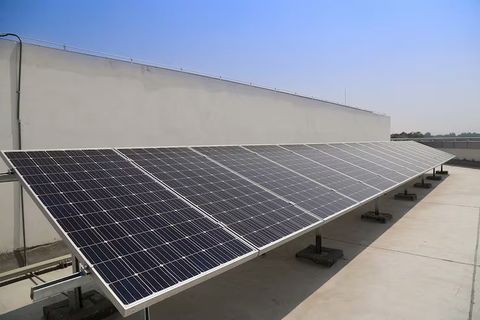
Putting up solar panels? It fits right on roofs, wide-open ground, or tiny buildings - no heavy building jobs needed. Construction stays light because setup skips big groundwork tasks usually seen with power projects.
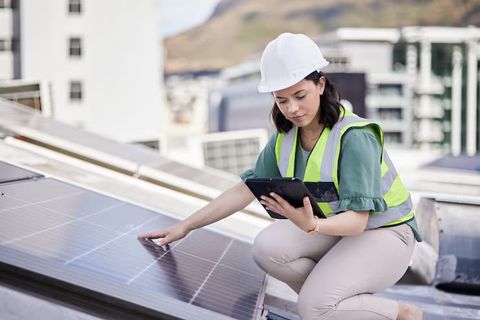
Most of the time, solar panels just sit there doing their job. A quick wash now and then keeps them working fine. Checkups every so often help spot small issues early. Rain usually handles dirt removal on its own. No daily attention needed at any point. Things stay quiet for years without extra effort.
Most people notice how quiet things feel once the noisy hum of gas machines fades away. Solar setups run without sound, making spaces calmer by default. A lack of moving parts means no rattling at dawn or drone during dinner. Stillness settles in where engines used to roar. The background stays clear, free from constant mechanical noise.
Sunlight turns into power cleanly, so there is less pollution. Because of that, nature stays healthier.
How Solar Power Works in Rural Places
Solar power systems are commonly used for:
- Home lighting
- Water pumping
- Mobile charging
- Refrigeration
- Agricultural equipment
- Community centers
- Rural schools
A single home might run on a tiny sun-powered system, yet whole communities find power through much bigger installations.
Wind Power in Faraway Places
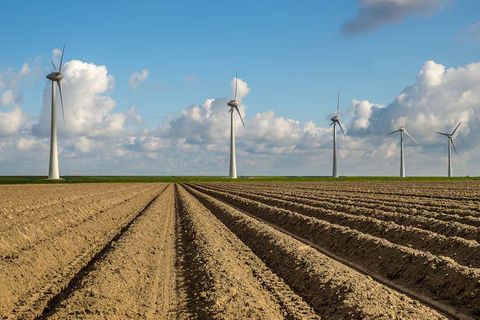
A fresh breeze can spin turbine blades out where open land stretches wide. Spinning motion gets changed into electricity through clever engineering inside the machine.
Where flat lands stretch wide, near shorelines, or up high on ridges, wind machines spin steadily, making power most months. Sometimes they rest, yet often turn when breezes rise across those spots.
Wind Power Advantages
Stays Steady When It’s Windy
When winds blow steady, power can still be made if it is dark or overcast.
Farms and Open Land Benefit
Farms spread wide across open land might host a modest turbine or two. Wind machines fit neatly where fields stretch far beyond rooftops.
Supports Energy Independence
Built right into open landscapes, wind power cuts ties to imported fuels while sidestepping shaky grid setups.
Challenges of Wind Systems
Even so, wind turbines come with downsides too:
- Performance depends on wind availability
- Turbines require open space
- Maintenance may be more technical than solar systems
- Some turbines run quieter than others, their volume tied to how big they are
For these reasons, wind setups usually pair with solar power to boost dependability.
Hybrid Solar Wind System
A mix of sunshine harvesters and breeze spinners forms one energy network, working together under shifting skies. When clouds block light, gusts often pick up - keeping output steady without relying on just one force.
Fewer sunbeams? Wind turbines can keep spinning anyway. When air sits quiet, daylight still feeds solar cells through clear hours.
Out here, where power lines never reach, hybrid setups stand out because they mix pieces wisely. Dependability grows when solar pairs with wind, each covering the other's quiet times. Rural spots gain steady flow not by chasing perfection but through smart give and take between sources.
Hybrid Systems Core Elements
A hybrid renewable setup usually includes:
- Solar panels
- Wind turbine
- Battery storage
- Inverter
- Charge controller
- Energy management system
Power flows get balanced by the system without manual input. From solar to grid, one source shifts as another dips. Stability stays high because switching happens behind the scenes. Multiple inputs feed into steady output - no hiccups, just smooth delivery. When demand jumps, supply adjusts before you notice.
Hybrid Solar Wind Systems Benefits
Besides sunshine, wind power helps keep lights on when skies are cloudy. A mix like this means fewer blackouts during calm spells.
Most of the time, hybrid setups keep delivering power nonstop. Daylight runs them just fine; darkness does not stop output either because backup sources take over when sunlight fades.
Less stress on batteries could come from steady power output. A smoother charge flow might just ease pressure over time.
Where weather shifts through the year, hybrid systems keep up without fuss. These setups handle cold snaps just as easily as warm stretches. Through spring turns or autumn dips, they adapt quietly. In places where seasons don’t follow a pattern, they stay reliable. Change is constant outside - inside, performance stays steady.
Rural Renewable Energy Systems Beyond Solar and Wind
Besides solar and wind, some less typical renewables work well in specific countryside settings.
Micro Hydro Power Systems
A small turbine spins when river water rushes past it, making power happen. Streams feed these setups without needing big dams nearby. Water keeps moving through a pipe before hitting blades that turn energy into light and heat later.
Benefits
- Stable energy generation
- Continuous operation
- Perfect when terrain climbs steep. Works well where slopes rise sharply. Fits landscapes that tilt skyward. Handles ground that lifts abruptly. Matches areas carved by steep drops
Limitations
- Requires flowing water source
- Where things go up hinges on location
Biomass Energy Systems
From plants left behind after harvests to scraps of timber, even what animals leave behind can become fuel. Energy hides in these natural leftovers, ready when we find ways to release it.
Common Biomass Sources
- Agricultural waste
- Wood chips
- Animal manure
- Organic household waste
Besides powering stoves, biomass helps warm homes while feeding grids in farming areas. Though limited by supply chains, it runs on leftover crops rather than imported fuels. Even so, smoke management remains a concern during winter months. Where infrastructure lacks strength, this fuel source keeps lights on after dark.
Off Grid Home Power Options
Out in the countryside, each spot uses power differently - weather and landscape shape what works. Picking a setup? That ties closely to local sunlight, wind, even how far people live from one another.
Energy Requirements
Larger groups at home tend to use more power every day. A single person might need less, while families draw higher amounts. How many live there shapes the total energy used. Bigger numbers on the meter come with bigger households. More bodies mean lights stay on longer, appliances run more often. Daily habits shift when space fills up with people. Demand climbs as heads count upward.
Important considerations include:
- Number of appliances
- Lighting needs
- Water pumping
- Farming equipment
- Communication devices
Climate and Earth Materials
Local climate plays a major role in choosing renewable technologies.
Examples include:
- Where sunlight fills the sky, solar setups work best
- Windy areas support turbines
- Mountain regions may support hydro systems
Battery Storage Capacity
When the sun shines too hard or wind blows strong, extra juice needs a place to wait. Stored inside battery setups, it sits quiet until called upon later. Power keeps flowing even when nature slows down its pace. These units hold what would otherwise vanish into thin air. Without them, gaps appear where energy should be steady.
Popular battery technologies include:
- Lithium-ion batteries
- Lead-acid batteries
- Gel batteries
Maintenance Needs
Not every system needs heavy tech oversight. Where people live far apart, simpler fixes tend to stick around longer.
Off Grid Energy Solutions Benefits
Living without grid power brings lasting gains to remote villages through clean energy setups.
Power comes from local sources when neighborhoods produce it themselves. That means no need to rely on big grid systems run by distant providers. Making energy close by cuts ties to outside supply chains.
When lights work well, kids can open books after dark. Evening reading becomes possible where electricity reaches homes. Screens stay visible when surroundings grow dim. Study time stretches beyond sunset because bulbs glow steady. Digital lessons appear clear under consistent brightness. Nighttime pages turn easier with power nearby.
Light finds its way into village health rooms because of power. Cold storage stays steady for medicines thanks to electric supply. Machines that help doctors work only when electricity runs through them. Wires carry voices between nurses and hospitals far away. Without dark corners, care continues after sunset.
Farms run on sunlight and wind when they power their water pumps. Irrigation flows without fossil fuels because clean energy keeps it moving. Equipment that handles crops gets its charge from renewable sources instead of gas. Machines used in harvest prep turn on thanks to steady green power supplies.
Out in the world, sunlight and wind power help cut down smokestack fumes. These natural forces swap dirty habits for fresh ways to keep lights on.
Problems with Energy Projects in Rural Areas
Even so, clean power brings advantages - yet village-level efforts can run into hurdles. Still, progress stalls sometimes despite good intentions behind off-grid setups. True, green tech helps - but local realities slow things down now and then.
Sunlight and breezes aren’t always around when needed. These energy sources wait on nature’s rhythm, shifting with each season. Cloudy days slow solar panels down. Wind turbines spin only when air moves fast enough. What works in summer might lag in winter.
Getting things set up often needs people who know what they’re doing - either pros or locals brought up to speed. Fixing issues later might also depend on skilled hands or training sessions for the group.
Over time, those stored power units wear out. A few seasons pass, then they stop holding charge like before. Eventually, something must change - parts get swapped when performance dips too low.
Getting gear to faraway spots isn’t always easy. Still, new tech keeps making systems run better and last longer.
Off Grid Energy Futures in Rural Regions
Fresh progress in clean power moves at speed. Thanks to better batteries, clever control setups, solar units now catch sunlight smarter - off-grid living works easier these days. Not magic, just steady upgrades adding up.
Several trends are shaping the future of rural renewable energy systems:
- Smarter energy monitoring
- Longer-lasting batteries
- Portable solar technology
- Community microgrids
- AI-based energy management
- Efficient hybrid renewable systems
When renewables get easier to reach, village life may grow steadier through better power access. Energy upgrades often bring quieter progress - lights stay on, water flows more reliably. With change comes subtle shifts: homes adapt before habits do.
Conclusion
Electricity is reaching remote places like never before. Thanks to sunlight captured on rooftops, spinning blades in open fields offer another path. Where flowing water moves small generators, power shows up without wires. Mixes of sun and wind working together keep lights on when one source fades. These setups skip the need for big grids entirely.
A single farm might rely on sunlight while another uses wind - what works ties back to what nature offers nearby plus how much power gets used each day. Not every village faces the same weather, so their choices shift with the landscape and routine.