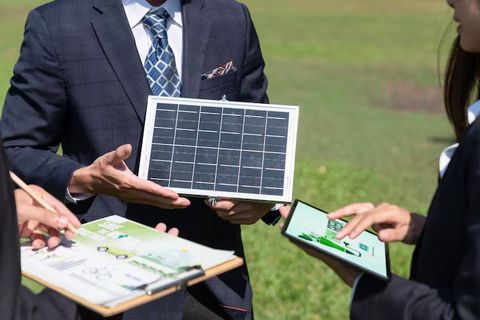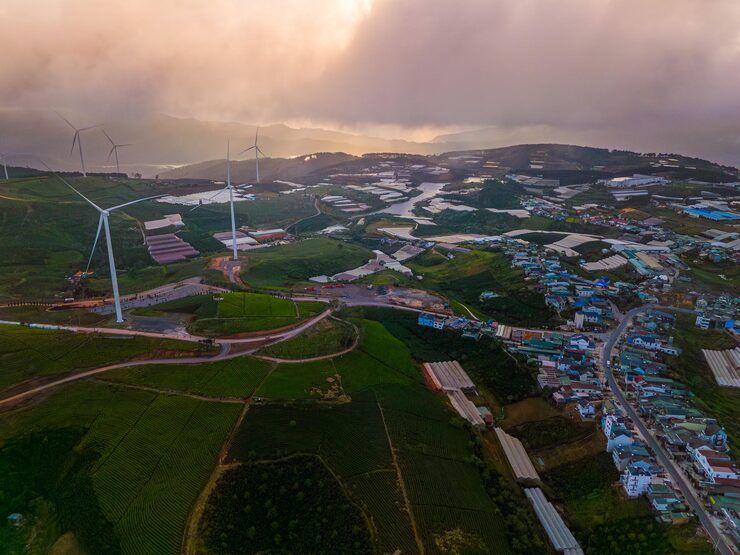
Access to reliable electricity remains a challenge in many isolated regions around the world. Mountains, deserts, islands, forests, and distant rural communities often face difficulties connecting to traditional power grids. In these locations, renewable energy is becoming an important solution for everyday energy needs.
Sunlight powers solar panels during daylight hours. Wind turns turbines across open fields. Rivers flow through hydroelectric dams. Geothermal heat rises from deep underground. Plants grow each season, ready for conversion into fuel
- Solar energy
- Wind energy
- Hydropower
- Biomass energy
- Geothermal energy
Out in distant areas, relying less on shipped-in fuel becomes possible when local energy options are used instead of shaky grid connections.
Out in rugged areas, laying power lines gets pricey fast. When trees, steep slopes, or wide deserts stand in the way, progress slows - sometimes for years. Instead of stretching grids further, small-scale renewables step in quietly. These setups work close to where people live, skipping the need for massive infrastructure.
Out here, where sunlight hits long before wires do, conversations about solar energy grow louder each year. Power that arrives without roads follows the arc of daylight across empty rooftops. Ideas once whispered now shape how villages plan beyond diesel fumes. Light switches tied to weather patterns shift what people expect after dark. Remote living changes when electricity stops depending on deliveries through dust storms.
Remote Areas Rely on Alternative Energy
Out in distant areas, power troubles pop up now and then. Electricity fails when weather turns harsh. Supplies move slowly across rough terrain. Local needs sometimes get ignored by big providers. Equipment wears out faster without quick fixes nearby.
Limited Grid Access
Far from main electricity networks sit many small villages. Getting power lines there isn’t always doable.
Unstable Electricity Supply
Some places get power just a couple hours a day. Because of that, staying in touch becomes hard. School work suffers when lights go out early. Medical care struggles without steady energy. Cooking, cleaning, reading - everything changes when the grid shuts down.
Fuel Transportation Difficulties
Besides powering distant sites, diesel generators face challenges when storms hit - deliveries often stall. Where roads vanish under snow or floods, getting fuel through turns into a waiting game.
Environmental Concerns
Fumes and loud engines come from regular fuel setups. Yet cleaner power options lower harm to nature, also supporting future needs. Though old methods pollute, green alternatives shift how we meet demand - quietly, slowly changing what runs things.
With tougher conditions in mind, off-grid energy setups now lean more on solar and wind. Though limited by location, many rely less on old methods when sunlight or breeze picks up. When fuel gets hard to deliver, clean options start making sense out of necessity. Even small changes add weight where grids can’t reach. Where roads fade, new patterns quietly take hold.
Solar Energy in Far Places
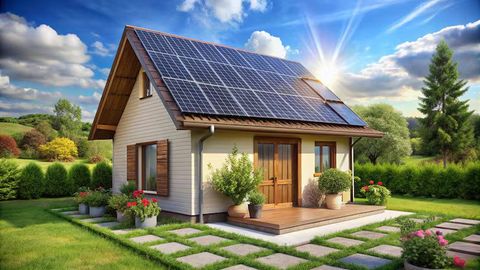
Out in the middle of nowhere, solar power often makes the most sense. When sun hits the panels, electricity comes to life - no tangled web of pipes or wires needed.
Solar Power Fits Remote Areas
Solar systems are suitable for remote environments because they are:
- Easy to install
- Scalable for different energy needs
- Quiet during operation
- Low maintenance
- Effective in sunny climates
Out here, solar setups power homes along with clinics, classrooms, plus irrigation needs. Remote spots see energy reach schools because sunlight runs the panels. Water pumps keep going when sunshine charges the system. Even small shops stay open thanks to steady current from rooftop arrays. Telecom masts stand tall where fuel shipments fail often. Health posts light up at night since batteries store what sun gives by day.
Off Grid Solar Setups For Far Places
Standalone Solar Systems
Running on their own, these setups aren’t linked to any countrywide electricity network. Typically found with components like:
- Solar panels
- Charge controllers
- Batteries
- Inverters
Apart from cities, some houses way off by themselves run on separate setups. Tiny towns now and then depend on these too.
Solar Mini-Grids
Electricity flows through small networks, reaching homes and shops in one area. Powering lights comes alongside cold storage, online tools, even shared facilities nearby. These local systems handle daily needs without relying on distant sources.
Portable Solar Solutions
Out in the wild, far from power lines, portable solar kits keep lights on when storms hit. These setups run medical gear where ambulances can’t reach. When tents go up fast after disasters, sunlight feeds their needs. Remote villages rely on them during blackouts. Even nomadic clinics plug into these systems mid-trip. Sun-powered tools shine where grids fail. During rescue ops, every watt counts - solar delivers.
Solar Power Helps Remote Places
Solar energy offers several practical advantages:
- Reduces dependence on transported fuel
- Fuel comes from sunlight where wires never reach
- Supports communication and education
Brighter lamps reach homes faster when wells flow without contamination. Water flows clearer where light cuts through dark yards at night. Communities move easier once both needs meet steady hands.
- Helps lower environmental impact
Battery storage gets better, making solar setups work well far from cities. Though sun power depends on weather, stronger batteries help keep lights on when skies cloud over. Even without grid access, people find steady energy through updated tech. When sunlight fades, stored juice steps in quietly. Over time, these systems handle longer stretches between charges. With each upgrade, off-grid life feels less like a compromise.
Hybrid Renewable Energy Systems
On cloudy days, sunlight weakens, so power output dips. Still, mixing sources helps smooth those drops.
Putting different power sources together can make supply steadier. Mixing types often leads to less waste. One source might work when another fails. Using multiple kinds helps balance ups and downs. A backup kicks in if one part slows. This setup runs smoother over time. Two inputs sometimes do more than double the result.
Common Hybrid Energy Combinations
When sunlight hits solar panels, they produce energy efficiently. Clouds overhead? That is when spinning wind turbines often pick up the pace. One does not rely on bright skies alone - motion in the air keeps output going after dark. Pairing these two shifts the balance toward steadier results.
When sunlight powers solar panels by day, batteries hold onto extra energy they make. Night falls. Clouds roll in. Stored power flows out instead. This keeps lights on when the sun does not shine. Energy made earlier steps up when needed most.
Where rivers flow through steep valleys, tiny water-driven turbines might feed power when sunlight fades. Sometimes streams spin generators while panels rest in darkness. Hillsides with rushing creeks could keep lights on using flowing water instead of sunbeams. When clouds cover the sky, moving water still turns blades beneath bridges or beside banks. Sun-powered cells work best by day, yet spinning wheels in brooks produce at night too.
From farm scraps to plant matter, natural leftovers offer power solutions where crops grow. Instead of vanishing into fields, these resources turn into fuel through smart setups nearby.
Hybrid Renewable Energy Systems Offer Multiple Benefits
Hybrid systems provide several benefits:
- Improved energy reliability
- Better power management
- Reduced energy interruptions
- Greater flexibility for changing weather
- Enhanced long-term sustainability
Out in the open, where weather shifts with each season, these setups really come into their own.
Power From Sun Wind And Water For Remote Places
Out in the countryside, clean power systems bring light and warmth where options were once few. Where grids fail to reach, solar panels on rooftops make a quiet difference. Batteries store sunlight, turning noon into usable evening hours. Some villages now charge phones without walking miles. Children study after dark thanks to steady lamps. Farmers run small machines powered by wind or sun. Health clinics keep medicines cool through solar chill. Lives stretch further when electricity shows up quietly. New tools arrive slowly but they stick around.
Reliable electricity can support important services such as:
- Schools and digital learning
- Healthcare facilities
- Water purification systems
- Food storage and refrigeration
- Internet and communication access
Farming areas find solar and wind energy running pumps for crops, moving harvested corn through mills, keeping silos at steady temps. Machines that water fields hum along thanks to clean power sources nearby. Harvests get sorted, cooled, or dried using electricity from turbines spinning above open land. Some barns now pull juice from panels instead of diesel tanks. Equipment once tied to fuel trucks now links up with rays from the sun.
Smart Energy for Rural Areas
Community Solar Projects
Communities can share larger solar systems that provide electricity to multiple households and public facilities.
Powered by sunlight, these pumps move water for crops while skipping the need for gas or diesel machines. A steady supply flows even where power lines don’t reach. Sunlight drives the system, making refueling unnecessary. Fields get water using clean energy instead of noisy engines. No grid? No problem - solar keeps it running.
Using less power at home means fewer resources are needed. When solar or wind runs frugal machines, the grid stays quieter. Efficient gadgets paired with clean sources shift how we draw current. Machines that sip rather than gulp make a difference. Renewables go further if devices ask for less.
Out here, today’s setups usually come with clever gadgets. These keep an eye on how much power gets made. A close watch happens from afar. Battery behavior shows up in real time. Performance details flow without someone needing to be there. Tools make sure everything runs just right.
Wind Power Far From Cities
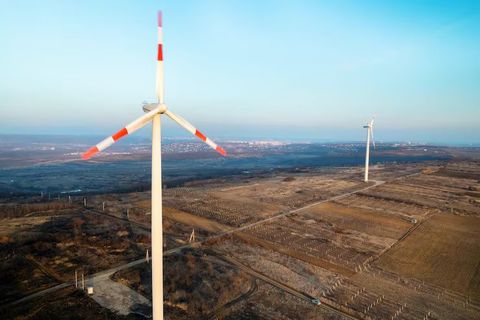
Out on the edge, wind power fits well where people live far from cities - think shorelines, flat wide lands, or places surrounded by water. Sometimes it works best when nothing else reaches that far.
When the sun shines, tiny spinning machines catch breezes nearby to help power homes. These little turbines team up smoothly with rooftop panels that soak up sunlight.
Where Wind Energy Works Most Efficiently
Wind systems are most effective in areas with:
- Consistent wind speeds
- Open landscapes
- Coastal weather conditions
- Elevated terrain
Besides sunny months, certain far-off places rely on windmills to keep lights on. Power shows up when daylight fades there.
Energy Storage and Battery Systems
Batteries help keep solar and wind power steady when the sun isn’t shining or the wind isn’t blowing.
When extra electricity is made, batteries hold it until needed. This keeps lights on during storms or cloudy days.
Common Battery Technologies
Lithium-Ion Batteries
Compact size makes these batteries a fit for solar setups, their efficiency helps too, yet it is the blend of traits that explains wide use.
Lead-Acid Batteries
Even though newer options exist, lead-acid batteries still show up in far-off power setups because they last long, work without fuss. Their build is basic, yet tough when conditions get rough.
Advanced Energy Storage
Faster data holding methods keep boosting how well systems run while also helping store power over time. Though built differently, each upgrade adds stability when handling heavy loads across years of use.
Battery setups that hold charge well make solar and wind power work better in places without grid access across the globe.
Renewable Energy Struggles in Remote Regions
Even so, clean power brings benefits but hurdles remain. Yet every gain has its share of problems tagged along. Still, progress comes with leftover issues to sort through. For now, better options carry their own baggage too.
When skies stay cloudy, solar panels produce less power. Wind turbines spin slower if breezes fade. Output shifts with seasons without warning. Sunlight fades after autumn equinoxes. Gusts weaken during summer lulls. Energy capture drops when nature calms down.
Equipment Transportation
Transporting renewable energy equipment to remote regions can sometimes be difficult.
When people live far from cities, fixing power setups can be tough without proper know-how. Some might struggle unless they learn how equipment works through hands-on lessons. Knowing what to do when something breaks keeps lights on longer. Training helps them handle issues before small problems grow worse.
Starting out, setting up infrastructure means thinking ahead so everything works well with local power demands plus climate factors. Even with hurdles, tech upgrades keep making things run better and easier to reach.
Far off places now glimpse fresh chances through ever-changing green power tools. Changes sprint forward, opening doors where old systems once failed. New methods rise quietly, fitting needs that went unanswered for years.
Besides cutting waste, clever software adjusts power flow on its own. Machines that watch operations closely make systems run smoother over time.
Battery progress means power lasts longer now. Because of this, solar and wind setups work better over time. Efficiency gains help store energy without waste. These changes make green systems act more like steady options. Dependability rises when storage improves alongside tech.
When neighborhoods produce their own power, control shifts closer to home. These small grids make it easier to handle supply without relying on distant sources.
When sunlight fades, solar setups shift smoothly into backup modes. Newer designs respond quickly when weather shifts or power needs spike. Out in remote areas, fresh approaches make clean energy easier to rely on each year.
Ways to Help Use More Clean Energy
Starting strong with clear goals helps groups push renewable projects forward. A town that talks openly about power choices often sees better results. Learning how systems work builds confidence over time. When neighbors share real examples, others start paying attention. Good plans grow when people take small steps together. Seeing progress nearby makes ideas feel possible.
Helpful approaches include:
- Assessing local weather and energy conditions
- Using energy-efficient equipment
- Training local technicians
- Expanding battery storage capacity
- Combining multiple renewable sources
- Monitoring system performance regularly
A single tweak today might just keep the lights on tomorrow. How a little foresight spreads through years of steady power. Picture cleaner schedules preventing bigger failures down the road. When routines shift slightly, outages often fade away. Even minor care reshapes how systems hold up over time. What feels like routine upkeep could be quiet strength building behind walls.
Conclusion
Out there, far from cities, life runs on sunlight captured by rooftop panels. Power once hauled in fuel drums now spins quietly from turbines perched on open hillsides. Where wires cannot reach, clever mixes of sun and wind keep lights burning through long nights. These setups stand strong even when roads vanish under snow or floodwaters rise without warning.
Out in the countryside, power from the sun or wind now helps run schools, clinics, phones, farms, even homes - without harming nature much at all. With batteries getting better and software learning how to save juice, green setups work longer, need less fixing, opening up new possibilities where wires never reached.