Modern communities are searching for smarter ways to manage electricity. Power interruptions, rising energy demand, and climate concerns have encouraged many neighborhoods to explore local energy solutions. One of the most practical options today is a microgrid energy system.
A single neighborhood might run on its own power loop. Power gets made right where it's used, held close by, moved short distances.
When big power grids fail, small local grids keep working - because they do not rely only on central infrastructure. Communities gain more control over their electricity when storms or outages hit elsewhere.
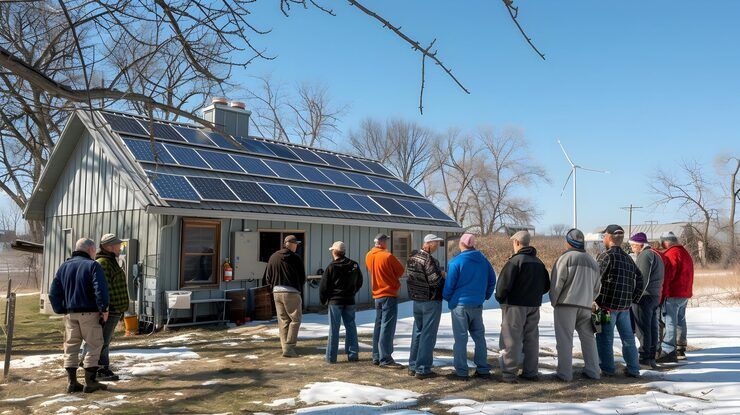
Some neighborhood solar setups run on clean power like wind. Sunlight often feeds these local grids too. Power from water movement shows up now and then. Even heat from underground helps in certain spots. Energy made locally avoids big distant plants
- Solar energy
- Wind energy
- Hydropower
- Battery energy storage
- Backup generators
Working hand in hand, these systems rely on clever software to match power supply with how much is used.
Communities Look at Local Power Networks
Nowhere is the shift clearer than in neighborhoods choosing their own power paths, driven by a need to stand apart from big grids while caring for the planet. Though distant in location, these groups share one aim - keeping energy close, clean, and under local control.
Community Microgrids Offer Local Energy Control Improved Reliability and Resilience During Outages
When power fails elsewhere, microgrids keep lights on by delivering energy right where it's needed.
Out here, towns find smarter ways to rely on sunlight and wind when they set up local power networks. These small-scale grids let neighborhoods share green electricity without waiting for big changes elsewhere.
Besides tracking usage, clever sensors adjust power flow to match needs. Waste drops when devices respond instantly to changes in activity.
When trouble hits, key places like hospitals keep running thanks to local power. Schools stay open even if the grid fails. Emergency hubs hold strong because energy comes from nearby sources. Power stays on when it matters most. These spots rely less on distant systems. Nearby generation means fewer shutdowns. Stronger supply lines help them function under stress. Backup isn’t always needed when energy is close by. Stability grows when electricity doesn’t travel far.
Sunlight, wind, and water power leave less soot in the air compared to old fuel types. These natural options move us toward healthier electricity targets without relying on smoke-heavy methods.
Community Solar Microgrid Operation Explained
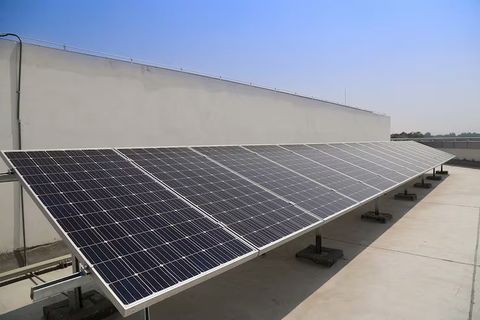
Most times, a neighborhood solar setup links up photovoltaic arrays with backup batteries while weaving in smart management systems. Sometimes it runs on sunlight captured by rooftop cells, stores excess power for later, then adjusts flow using digital oversight tools. Power shifts happen quietly behind the scenes when sensors detect demand changes across homes tied into the network.
Here is a simple overview of the process:
- When the sun is up, solar panels make power. Sunlight turns into energy through those rooftop tiles.
- Folks live in houses lit by power made nearby. Buildings get their juice from local energy sources instead.
- Batteries hold leftover power. Stored electricity waits inside them.
- Smart controllers distribute energy based on demand.
- When the power goes down, it runs on its own instead of connecting to the larger network.
With this arrangement, neighborhoods can keep their power supply steadier while adapting easier to changes.
Microgrid Setup Explained
Putting in a microgrid takes thought, along with teamwork. Not every place runs on the same power demands, siting choices, or existing systems.
Assess Community Energy Needs
Each day begins by checking the total power used across homes in the area.
Important factors include:
- Number of households
- Public facilities
- Peak electricity usage
- Seasonal demand changes
- Existing power infrastructure
Figuring out how much power is needed starts with looking at energy use patterns. A closer look means better choices about equipment size can follow. When details matter, guessing takes a back seat to measurement. What gets measured shapes what gets built. Precision begins long before installation ever does.
Find Renewable Energy Options
Communities should evaluate available renewable energy resources in the area.
Common options include:
- Solar energy in sunny regions
- Wind energy in open landscapes
- Small hydropower in water-rich locations
Out in the open or tucked between buildings, solar panels show up almost everywhere. Their adaptability makes them fit neatly into different kinds of neighborhoods.
Key Parts of Renewable Energy Microgrids
A successful microgrid contains several connected technologies.
Out here, sunshine gets turned into power through solar panels - these pieces often start a neighborhood's shared energy setup. Sunlight feeds them, they make juice, folks split it.
Stored power sits ready when sunlight fades or storms hit. These setups hold extra energy till it’s needed after dark or during outages.
Electricity moves smarter when controllers step in - automatically guiding flow here, adjusting supply there. Power finds its path without extra effort because these tools shift resources where needed most.
Buildings link up through a web of connections that tie into nearby power supplies. From one spot to another, services flow where they are needed most.
When sunlight hits the panels, computers watch how much power flows out. These systems check every watt made during the day. A small device updates numbers each minute. It shows if something runs slower than normal. Energy habits become clear over time. The screen changes when output drops. Sensors report quietly in the background. Numbers shift as clouds pass overhead.
Planning the Microgrid Design
A well-thought-out layout often shapes how smoothly a microgrid comes together. Starting early helps avoid delays later on. When steps are clear, choices become easier to make. Getting details right at first saves time down the road. Planning ahead sets the stage for everything that follows.
Communities must decide:
- Which buildings will connect to the microgrid
- How much energy storage is needed
- What backup systems are required
- How the microgrid will interact with the main utility grid
When demands shift over time, the setup adjusts because it was built to bend, not break. Future changes in power use fit naturally into its flow, since flexibility sits at its core.
Energy Storage Options
Built right into today’s solar setups, batteries hold power when it’s needed later. Stored juice keeps lights on after sunset without flicking a switch elsewhere.
When there is no storage, power can falter under cloud cover or after sunset. Cloudy days might leave homes without steady supply unless backup exists. Nightfall often brings drops in energy flow if systems lack reserves. Unstored power fades when sunlight does, leaving gaps in service.
Common Battery Technologies
Lithium-ion batteries power many devices thanks to their small size and strong performance. Though lightweight, they pack a lot of energy into tight spaces. Their popularity comes from how well they hold charge without needing frequent top-ups. Efficiency stands out when compared to older types. Compact design makes them fit easily inside modern gadgets.
Energy stored over time finds use in big setups through flow batteries. These systems handle extended output needs better than many alternatives.
Not every setup relies on just one kind of battery - some neighborhoods mix types to get better results. What works depends on how big the local power network is and what it aims to achieve.
Grid Connection Choices Explained
Running on their own or linking up with bigger systems - microgrids handle energy this way. Their function shifts depending on connection status.
Hooked into the main power grid, these microgrids also produce their own energy nearby. Though tied to central infrastructure, they run partly on locally made electricity. Their dual setup lets them pull from outside lines when needed yet rely now and then on homegrown supply.
When the main power goes down, small local grids keep running on their own. Some neighborhood solar setups mix different techniques to stay strong when trouble hits. These combined designs adapt more easily when conditions change.
Safety and Maintenance Tips
Most small-scale power setups need consistent upkeep along with careful oversight to stay safe.
Essential Maintenance Activities
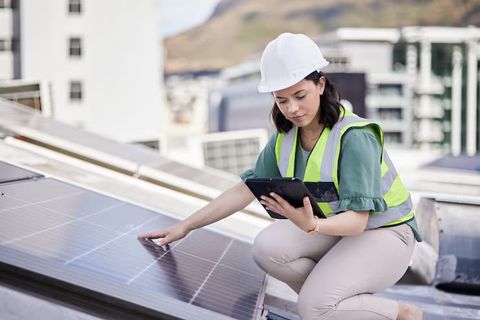
- Inspecting solar panels
- Monitoring battery performance
- Updating software systems
- Checking electrical connections
- Testing backup operations
Over time, steady checkups keep things running without hiccups. System stability often comes from frequent looks under the hood. When reviews happen on schedule, surprises tend to fade away. Consistent oversight supports smooth operations down the line.
Community Participation and Awareness
When people pitch in, small-scale power systems tend to work better. What happens next often depends on local support shaping how things unfold. A neighborhood's role can quietly steer progress more than expected. Involvement from residents sometimes makes the difference without drawing attention. How folks engage might not seem crucial at first glance - yet it matters just the same.
Residents should understand:
- How the microgrid works
- Energy-saving practices
- Emergency operation procedures
- System monitoring basics
Educational programs can improve long-term participation and energy awareness.
Smart Tech in Today’s Microgrids
Folks are finding better ways to power neighborhoods thanks to smarter tools. Efficiency climbs when local grids learn new tricks.
Artificial Intelligence Meets Energy Monitoring
AI-based software can:
- Predict electricity demand
- Detect equipment issues
- Improve battery usage
- Optimize solar energy distribution
Internet of Things Integration
Sensors linked together send updates instantly through the small power grid. Devices talk to each other, keeping track minute by minute.
Faults happen less often because of these tools. Energy use drops when they’re in place.
How Community Solar Microgrids Affect the Environment
Out on the edge of town, small power systems using wind or sun help neighborhoods cut down on pollution. These setups run apart from big utility lines, giving locals control over their own electricity needs.
Positive Environmental Effects
- Lower greenhouse gas emissions
- Reduced fossil fuel dependence
- Better local air quality
- Increased renewable energy adoption
When neighborhoods power up with homegrown renewables, they help the planet even as their grids grow more reliable.
Challenges Communities May Face
Even so, setting up microgrids can bring difficulties for towns despite their benefits.
Building power setups means solving tricky puzzles with wires and machines. Each piece must fit just right or nothing runs smooth.
When skies cloud over, solar panels produce less power. Wind turbines spin slower if air stays still. Output drops without sunshine or breezes. Machines rely on nature's rhythm that shifts day to day. Energy flow changes when weather turns calm or stormy.
Outdated wiring could struggle to handle modern setups without changes. Some grids might need adjustments just to keep things running. Power networks built long ago often lack what new tech demands today.
Over time, upkeep matters - checking systems now keeps things running later. Spotting issues ahead of time lets towns adjust before problems grow.
Microgrid Energy Shifts Ahead
Right now, community energy setups are shifting faster than most notice.
Emerging Trends
Advanced Battery Storage
Battery advances now stretch how long energy stays stored. Performance climbs too, thanks to fresh materials inside them.
Smart Grid Integration
Now connecting to smarter power systems, microgrids operate alongside evolving grid technology. Intelligent networks increasingly link with localized energy setups for better coordination.
Renewable Energy Expansion
Folks everywhere now link sunlight catchers, breeze spinners, with battery packs in one setup.
Decentralized Energy Systems
Power made close to home now matters more for keeping lights on during disruptions.
Faster progress in tech means community solar setups could handle changing needs better. Efficiency might rise when local grids grow smarter over time.
Final Thoughts
Energy security grows when a community runs on a carefully built microgrid. Resilience gets a boost - not by chance, but through smart local design. Power stays steady even if the main grid falters. Solar and wind gain real roles instead of sitting idle. Local control means quicker responses during outages. Planning ahead shapes how well systems hold up under stress.
This microgrid setup walks through how strong local power systems rely less on luck, more on clear goals paired with sharp tools and neighbors who show up. Starting at checking available sun or wind, moving into storing juice safely, watching performance closely - every piece matters just enough to keep lights steady when storms roll in.