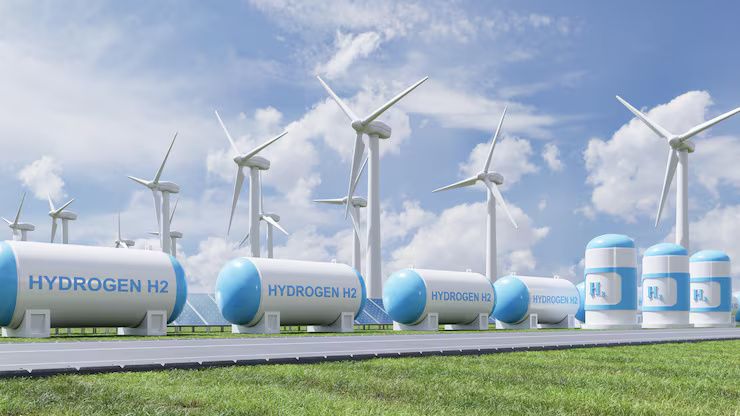
Hydrogen is gaining attention as a clean and flexible energy source. As the world looks for alternatives to fossil fuels, hydrogen energy systems are becoming an important part of the conversation.
What even are these things?
Here's how they actually function. That’s why some think they might matter down the road.
This guide takes each piece apart slowly. Step by step it becomes clear how things fit together. Through plain talk, ideas make sense without confusion. Everything unfolds in a calm steady flow.
Hydrogen Energy Systems Explained?
Power from hydrogen comes by using the gas as fuel. When it runs, nothing dirty like carbon sneaks out into air. Instead of burning coal or oil, this method chooses a cleaner path forward.
Simply put, such setups include what follows:
- Producing hydrogen
- Storing hydrogen
- Converting hydrogen into energy
Powering cars is one thing hydrogen does, yet it also feeds energy into houses plus factories. Machines run on it, just like streetlights along busy roads.
Hydrogen matters now
Besides cutting pollution, moving away from fossil fuels drives more attention to hydrogen. While cleaner air matters, ditching oil plays a big role too.
Here’s why hydrogen stands out:
- Fuel cells run on hydrogen, leaving nothing behind except H₂O. Water vapor drifts away after power generation happens quietly. The exhaust? Just moisture - no smoke, no residue. Operation finishes with clean output every single time
- Out in space, hydrogen shows up more than anything else. It makes up nearly everything there is. Found everywhere, it's what you see when you look at stars. This stuff sticks around in huge amounts. Stars burn with it as fuel. Most of what exists out there? That’s hydrogen too
- Wherever you need it - on trains, grids, or factories - it fits right in. Moving people, keeping lights on, running machines - all handled without a hitch. Not limited by scene or sector, just steady function wherever plugged in
- Fuelled by sunshine and breeze, it holds onto power when the panels sleep. Stored juice waits quietly, ready for cloudy days or still nights. When turbines slow, this keeps lights on without a hitch
When nations shift to greener power, hydrogen helps match how much is made with how much gets used.
Hydrogen Energy Systems Explained Simply
Starting with how hydrogen powers things makes the whole idea clearer. Step-by-step breaks down what seems complex into pieces that make sense.
1. Hydrogen Production
Out here in the wild, hydrogen doesn’t just sit around loose. Pulling it out means breaking apart something else first.
Common methods include:
- Electrolysis: Splitting water into hydrogen and oxygen using electricity
- Natural gas reforming: Extracting hydrogen from methane
- Biomass conversion: Producing hydrogen from organic materials
If renewables power the process of splitting water, then the resulting hydrogen counts as clean.
2. Hydrogen Storage
After it's made, keeping hydrogen secure until needed becomes essential.
Storage methods include:
- Compressed gas tanks
- Liquid hydrogen at very low temperatures
- Solid storage using special materials
Because hydrogen weighs so little, storing it well means paying close attention. Handling needs precision since the gas spreads easily under pressure.
3. Energy Conversion
Fuel cells turn hydrogen into power through chemical reactions. Some systems burn it in engines much like gasoline. Others split molecules with heat in turbines. Each method channels the gas into electricity differently.
A typical approach uses hydrogen fuel cells, creating power by mixing chemicals inside. While that runs on reactions, it skips combustion entirely.
Hydrogen Fuel Cells How They Work
Hydrogen fuel cells are at the heart of many hydrogen energy systems.
How Fuel Cells Work
Air feeds oxygen into fuel cells where it meets hydrogen. From that meeting comes:
- Electricity
- Heat
- Water
Fuel burns nowhere here, so it runs far cleaner than old-style motors.
Key Benefits of Fuel Cells
- Quiet operation
- High efficiency
- Low environmental impact
- Reliable power generation
Fuel Cell Power Plants
Use fuel cells to generate electricity continuously.
Built for homes plus larger setups alike. Works fine in compact power networks too.
Fuel made of hydrogen feeds these turbines. Power comes out when it burns inside. The machine runs on flames that turn blades. Energy releases as motion becomes electricity. Burning gas drives the spinning parts forward.
Similar to natural gas turbines but cleaner.
Hybrid Systems
Combine hydrogen with renewable energy sources.
Improve overall efficiency and reliability.
Fuel cells show up in cars, sometimes keep lights on during outages, also pop into gadgets you carry around.
Hydrogen Power Generation Systems
Fuel made from water might power big machines that make electricity. Such setups go by the name of hydrogen-based energy systems.
Hydrogen Power System Types
From city grids to remote cabins, power setups adapt easily. One moment they feed a single home, the next they boost an entire district.
Hydrogen Energy Storage Systems
Storage poses a major hurdle for renewables. When sunlight fades or winds calm, power supply dips. Not every moment brings sunshine - nor steady breezes.
Here’s how hydrogen steps into the picture.
Hydrogen Stores Energy
- When renewable sources make too much power, that extra gets turned into hydrogen
- Later on, hydrogen gets kept for future needs
- Back into power it turns whenever required
People sometimes refer to this method as power turning into gas then back into power.
Hydrogen Storage Benefits
- Long-term energy storage
- Reduces energy waste
- Supports grid stability
- Works at large scale
Energy needs met over time when hydrogen steps in where batteries fade. Storage shifts happen naturally once charge limits arrive.
Hydrogen Renewable Energy Solutions
When paired with renewables, hydrogen performs more effectively. These pairings form systems that last longer while using resources wisely.
Hydrogen Renewable Solutions Examples
- When sunlight hits solar panels, power flows - this energy splits water into hydrogen gas through electrolysis
- Machines that catch wind feed energy into devices splitting water. These parts make gas when electricity moves through them
- Hybrid Microgrids: Combine solar, wind, and hydrogen for reliable local energy
Flexibility shows up when these answers tackle renewable energy's limits. A new angle appears - where gaps once slowed progress, adjustments now step in quietly.
Hydrogen Energy Systems Applications
Hydrogen is already being used in several sectors.
Transportation
- Fuel cell vehicles
- Buses and trucks
- Trains and ships
Beyond the plug, hydrogen stretches further while filling up quicker than battery power.
Industrial Applications
- Steel production
- Chemical manufacturing
- Refining processes
Industries use hydrogen to reduce emissions and improve efficiency.
Power and Utilities
- Backup power systems
- Grid balancing
- Remote energy supply
Hydrogen helps ensure stable and reliable electricity.
Hydrogen energy systems offer clean power with water as the main byproduct
Hydrogen energy systems offer several benefits:
- Zero emissions at use: Only water is produced
- Handles tiny projects just as well as massive ones. Scales smoothly without breaking a sweat. Big or small, it keeps up. Grows alongside your needs. Never outgrows its fit
- Energy independence: Reduces reliance on imported fuels
- Versatility: Can be used in multiple sectors
Hydrogen stands out as a solid option for how we power things tomorrow. Its benefits fit well with what comes next in energy needs.
Challenges and Limitations
Yet hurdles remain, even as promise lingers. A few obstacles stand in the way, though hopes stay alive. Still, difficulties pop up alongside possibility. Problems appear right along with progress. Not everything runs smooth, despite early excitement.
Key Challenges
- High energy required for production
- Storage and transportation complexities
- Infrastructure still developing
- Efficiency losses in conversion processes
Facing up to these hurdles matters if more people are going to use it.
Hydrogen Energy Tomorrow
Fueled by advancing tech, hydrogen's path ahead seems bright.
Emerging Trends
- Growth in green hydrogen production
- Expansion of hydrogen infrastructure
- Integration with smart energy systems
- Increased use in heavy industries
Some governments plus companies everywhere now back hydrogen in their future power plans.
How hydrogen systems work
A step-by-step picture helps sort it out. Here's how it moves, one piece after another.
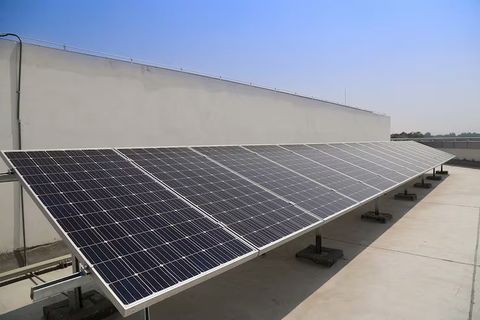
- Solar panels generate electricity
- Water splits into hydrogen when electricity runs through it
- Filled vessels hold hydrogen gas inside them
- Electricity comes from a fuel cell using hydrogen whenever it is required
Out of this loop comes a way to power things without mess, yet it bends when needed. A steady rhythm builds something open, easy to shift if demands change.
Final Thoughts
Clean energy's tomorrow is being built by hydrogen power. Not only do these systems bring fresh ideas, they also adapt easily to different needs. Sustainability sits at their core, yet they manage to stand out through smart design. Tomorrow’s solutions might just rely on today’s advances in this field. Their strength lies not in hype, but in steady progress across real-world uses.
Hydrogen fuel cells might seem quiet, yet they push efficiency in unseen ways. One step beyond sits storage - calm, steady, doing its share without fanfare. Efficiency grows not by leaps but through these linked pieces, each holding space in the larger frame.