Businesses around the world are changing how they manage electricity and long-term energy planning. Rising power demand, grid instability, climate goals, and energy efficiency targets are pushing companies to rethink traditional systems. In 2026, renewable energy is no longer viewed as a future concept. It has become an important part of corporate operations across industries.
Most companies today look ahead, shaping how they handle power by leaning on greener options. Instead of relying only on old methods, they bring in solar or wind while upgrading how much energy they actually need. Tools that track usage pop up alongside batteries storing extra juice for later. Step by step, these pieces form a path forward without depending so heavily on outdated grids.
These days, plenty of businesses pay attention to:
- Solar energy integration
- Wind power partnerships
- Smart energy monitoring
- Industrial energy storage systems
- Grid optimization
- Energy efficiency upgrades
- Carbon reduction planning
Stability in power networks matters just as much as hitting green goals. What counts is building resilience without losing sight of long-term balance. Systems must hold up under pressure, yet still align with environmental aims. Dependable setups go hand in hand with cleaner outcomes - when one strengthens, so does the other. Progress shows when reliability and responsibility move together.
Renewable Energy Planning Importance in 2026
Faster changes now shaping energy markets. Digital systems, automated processes, electric vehicles, alongside heavy data workloads push electricity needs upward. Power networks in numerous areas already strained. Older grid setups face growing stress just when reliability matters most.
Businesses now face several challenges:
Rising Energy Consumption
Every hour of operation depends on a steady flow of power. From smart tools to automated workflows, today’s factories run nonstop. Cloud networks keep data moving without pause. Machines powered by digital signals perform tasks with precision. Power cuts disrupt more than just production lines.
Grid Reliability Concerns
Faults in electricity supply hit factories, server rooms, computing hubs - stopping workflows without warning. Brief blackouts still pile up into lag downstream.
Sustainability Expectations
More people who invest money now look closely at how firms treat the environment. Buyers care more about clean operations than before. Pressure comes not just from shoppers but also government watchers demanding lower pollution levels across industries.
Long-Term Energy Stability
Future growth matters most when plans include steady power control. Resilience grows where operations adapt without surprise spikes. Smooth scaling comes through consistent oversight of energy use.
For these reasons, companies now rely on battery systems alongside green power sources as core parts of their operations.
Battery Energy Storage Systems In Business Use
Battery energy storage isn’t new, yet its role in business power plans has grown fast lately. With stored electricity on hand, companies handle peak times more smoothly. Power gets shifted from low-use hours to busy ones, cutting strain across the grid. Efficiency rises when supply lines match actual needs instead of guesswork. Firms find stability matters just as much as cost these days.
When sunlight powers solar panels, extra electricity gets tucked away. This saved power comes out later, especially if the sun hides or people need more juice at home. Instead of vanishing, surplus energy waits quietly inside batteries. It shows up again when the grid gets busy or winds slow down. Stored electrons stay ready until called upon.
Energy Storage Systems Main Roles
Energy Backup Support
When electricity cuts out, batteries keep things running. Power hiccups don’t stop work if backup cells kick in. Machines stay on because stored energy fills gaps. Interruptions lose their impact when battery banks respond. Electricity flow continues even if supply stumbles briefly.
Peak Demand Management
Businesses can reduce pressure on electrical systems during high-demand periods.
Renewable Energy Integration
Energy held for later use makes sunlight and wind more practical during different hours. Though generated at peak times, it becomes available whenever needed through storage solutions that bridge gaps between supply and demand across daylight shifts.
Smart Energy Distribution
Power moves through smart setups by itself when tasks need it. These setups adjust how much energy flows without someone watching. Machines decide where power goes depending on what they’re doing. When work demands shift, the system changes along with them.
Factories find them useful because power stays steady even during peak hours. Warehouses rely on these systems when grid supply falters unexpectedly. Office campuses keep operations smooth thanks to backup stored energy. Commercial sites benefit simply by avoiding sudden downtime.
Commercial Solar Battery Storage Trends
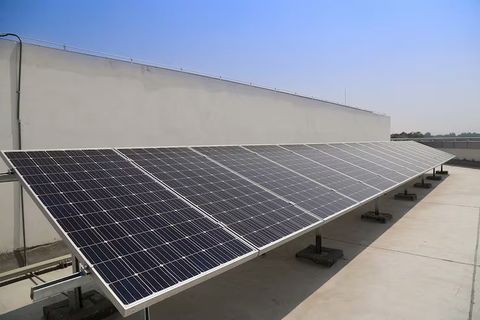
Out on flat rooftops, solar panels grow thicker every year by 2026. Firms now pair those arrays with large batteries - so power stays steady when sunlight fades.
When the sun shines bright, solar panels make more power; cloudy skies cut that down fast. Stored juice sits quiet in batteries until demand spikes later on. Sunlight fades, yet needs stay steady - batteries bridge those gaps without fuss.
Common Applications
Commercial solar battery storage is now widely used in:
- Industrial manufacturing sites
- Distribution warehouses
- Corporate office buildings
- Retail centers
- Educational campuses
- Healthcare facilities
- Transportation hubs
Focusing on this method lets companies make better use of renewables without disrupting daily operations.
Large Facility Industrial Energy Storage
Powering big factories means keeping machines running nonstop, along with tech that cools things down. Because of this need, backup power setups step in where demand never drops. Equipment tied to automated processes relies on steady flow, no gaps allowed. Digital networks inside plants expect the same - uninterrupted juice keeps them ticking. These storage solutions? They’re built exactly for moments when stopping isn’t an option.
These systems are becoming more advanced with:
- AI-powered monitoring
- Smart load balancing
- Predictive maintenance tools
- Real-time analytics
- Automated energy optimization
Besides building cars, making medicine, preparing meals, storage setups now pop up where goods move long distances - tied closely to using greener power sources. While factories once relied on older methods, many shift toward sun-fed systems, wind-driven grids; behind the scenes, extra room for holding gear supports those changes. Even if it seems minor, tucked-away spaces storing batteries or backup units help keep operations running when sunlight fades or breezes stall. Not just about saving energy, these spots adapt quickly when demand spikes unexpectedly. Often overlooked, they anchor plans meant to cut pollution while maintaining steady output across sectors people depend on daily.
Advantages in Industrial Operations
Improved Operational Stability
When power jumps around, stored energy helps smooth things out.
Better Use of Renewable Energy
When sunlight fades or winds die down, energy kept from earlier powers things through the quiet times.
Enhanced Energy Monitoring
Fine-grained insights into how power gets used show up clearly for businesses.
Lower Grid Dependence
Energy flow inside buildings becomes easier to handle when systems are adjusted thoughtfully. Instead of fixed setups, changes allow shifts based on actual need throughout the day.
When factories use more machines and computers, they will need better ways to store power. Storage starts looking essential once operations grow complex.
Smart Energy Management Systems
Out of left field, companies now see renewables going beyond just making electricity. Instead of stopping at supply, they’re turning toward smart systems that handle how energy gets used.
Finding where power goes becomes easier when machines track it room by room. Yet spotting savings chances only happens if data shows clear patterns over time.
Modern Energy Platform Features
- Real-time energy tracking
- Automated alerts
- Consumption forecasting
- Equipment performance monitoring
- Demand-response management
- Renewable energy integration analytics
Smart software teams up with business battery systems to boost how power gets used while shaping day-to-day decisions. When stored energy works hand in hand with digital oversight tools, companies handle usage smarter. Efficiency grows when tech guides batteries through daily demands. Running smoother comes from linking storage hardware to intelligent control platforms. With automated guidance, stored electricity supports workflow choices better. Tools that track output often align well with backup setups for steady results.
Renewable Energy Meets Corporate Sustainability Targets
Some groups now set goals for cutting pollution while boosting eco-friendly practices. Aiming lower at fumes, they shift toward greener results. Cutting down smoke stacks goes hand in hand with smarter resource habits. Cleaner operations often follow tighter climate rules. Reducing waste links closely to better long-term planning. Efforts rise where footprints shrink. Progress shows when energy choices change.
Fresh power sources matter greatly when hitting these goals. Still, they’re not the only option on the table. Each step forward counts differently than expected. Their part shifts depending on where things stand. Progress often leans on them more than planned. Every effort ties back in some form or another.
Common Corporate Sustainability Priorities
Reducing Carbon Emissions
Fueled by sunlight, stored energy cuts ties to coal and gas plants. Power held today runs homes tomorrow without burning anything. When rays charge batteries, less grid demand follows. Sunshine captured now replaces fuel burned later. Stored electrons ease pressure on outdated systems. Light turned into reserves weakens reliance slowly.
Improving Energy Efficiency
Folks today get more out of power without the extra drain. Machines now skip the old habit of using too much juice.
Supporting ESG Reporting
Environmental performance data is increasingly important in corporate reporting frameworks.
Long-Term Environmental Planning
Facing ahead, companies shift gears toward coming rules on nature care. With eyes open, firms adjust now before green demands tighten further.
Fueled by shifting priorities, companies now treat green energy like a core asset. Around the world, spending on wind, solar, and storage quietly rises year after year.
Energy Resilience and Business Continuity
Storms hitting harder make power backups more critical. When grids falter, businesses rely on setups keeping lights on. Power hiccups push firms to adopt steady solutions. Outages shift focus toward steady supply options.
Besides handling power shifts smoothly, battery storage helps companies stay running when electricity supply wobbles. While grids struggle, these systems keep operations steady through sudden changes. When outages hit, backup stored in batteries allows work to continue without full stoppage. Instead of waiting for repairs, firms tap into reserves that bridge gaps in service delivery. Even under strain, consistent energy flow supports daily tasks behind the scenes.
Places That Test Your Strength
- Data centers
- Manufacturing plants
- Healthcare facilities
- Telecommunications infrastructure
- Transportation systems
- Commercial office complexes
Firm power setups let groups cut down on daily hiccups plus sharpen their backup moves.
Renewable Energy Tech Trends 2026
Fresh ideas shape how power flows now, as sunlight and wind find better paths into daily life. Machines learn faster ways to manage what nature gives each day.
Advanced Battery Technologies
Battery tech today packs more punch in smaller sizes while lasting longer. Still, scientists push ahead, hunting better materials to boost how well they work and how long they last.
Artificial Intelligence Integration
Running on artificial intelligence, power networks study how electricity flows then adjust delivery without human help. When usage shifts, the system responds by rerouting supply where it's needed most.
Microgrid Development
When needed, certain groups build small-scale power systems that run on their own. A few teams craft local grids able to disconnect from main supplies if required. In some cases, outfits design energy setups functioning solo during disruptions. These efforts let communities maintain electricity without relying on larger infrastructure. Independent networks emerge where stability matters most.
Hybrid Renewable Systems
Fuel needs shift when sun and wind pair with batteries in smart setups. Power flows more smoothly that way across company operations.
Fresh ideas take hold in how buildings get power. Ways we once ignored now set the path ahead. Change creeps in through quiet upgrades and odd fixes. What seemed minor gains strength over time. Systems adapt without loud announcements. Progress hides in plain sight, step by slow step.
Challenges Businesses Still Face
Even so, businesses struggle with real hurdles when using green power. Yet growth in clean energy keeps rising overall.
Infrastructure Complexity
Putting renewables into big sites means thinking ahead, especially when fitting them alongside current setups.
Energy Demand Variability
Electricity demand shifts without warning in certain fields. Though power needs change fast, some sectors stay stable by chance.
Technology Integration
When solar panels link to batteries and tracking programs, details must line up just right. Equipment talks only when setup matches across devices. One piece out of place might stall the whole arrangement. Signals flow smoothly if each part follows the same rules. Mismatched formats tend to block communication entirely. Setup steps differ, yet alignment stays essential throughout.
Regulatory Differences
Depending on where you are, rules about power shift from one sector to another. Sometimes location changes everything when it comes to how electricity is managed across different fields.
Even so, companies stick with shifting to renewables because it helps them run better over time while easing their impact on nature.
Companies Creating Paths to Renewable Energy
Successful renewable energy planning usually follows a structured approach.
Energy Check
What teams often do first is check how much power they’re using now, then spot where waste shows up. One thing that happens next? They look closer at patterns most overlook.
Infrastructure Analysis Step Two
Businesses determine which renewable technologies fit operational requirements.
Storage Integration Step Three
Commercial battery storage solutions are added to improve energy flexibility.
Monitor and Adjust
Fine-tuned setups watch how things run while nudging progress step by step.
Plan for Long-Term Sustainability
Facing climate concerns, firms adjust power plans to match wider ecological goals.
Step by step, this method supports groups moving into cleaner energy systems with fewer hiccups. Though gradual, it lines up efforts without overwhelming teams right away.
The Future of Corporate Renewable Energy
Soon, companies will handle green power plans in smarter ways. Instead of seeing electricity as just another bill, firms now treat it like a key part of daily operations. Energy decisions shift from background tasks to central planning pieces. What once took backseat status moves into strategic meetings. Focused oversight replaces passive usage patterns. Planning evolves beyond cost cutting toward active control.
Built into modern systems, battery storage grows more common as companies chase reliable power. Smart monitoring tags along, helping teams spot issues before they swell. Renewable energy ties in, not just because it's popular, but because it cuts long-term costs. Resilience matters now more than ever - businesses want operations that keep running without hiccup. Sustainability isn’t a slogan here; it’s part of daily choices. Efficiency drives many decisions, quietly shaping upgrades behind the scenes.
Out in the open now, commercial solar battery storage isn’t some rare add-on anymore. Step by step, it slips into everyday building plans alongside industrial setups meant to hold power. What once felt unusual is quietly settling into routine use across large-scale projects.
With smarter tech shaping power networks, businesses gain tighter grip on producing, saving, and sending electricity through their workflows. When upgrades roll in, managing energy flows shifts into sharper focus across daily functions.
Conclusion
Fresh power methods now steer company choices in 2026. Since better tech tracks usage, firms keep lights on without waste - goals shift toward lasting impact instead of short wins.
Battery energy storage lets businesses keep power steady when demand shifts. Commercial setups store electricity so operations run without pause. Factories rely on industrial systems to manage heavy loads smoothly. Solar-linked batteries give shops another way to cut grid dependence. Resilience grows when companies control their own supply.